
Views: 0 Author: Site Editor Publish Time: 2025-07-31 Origin: Site
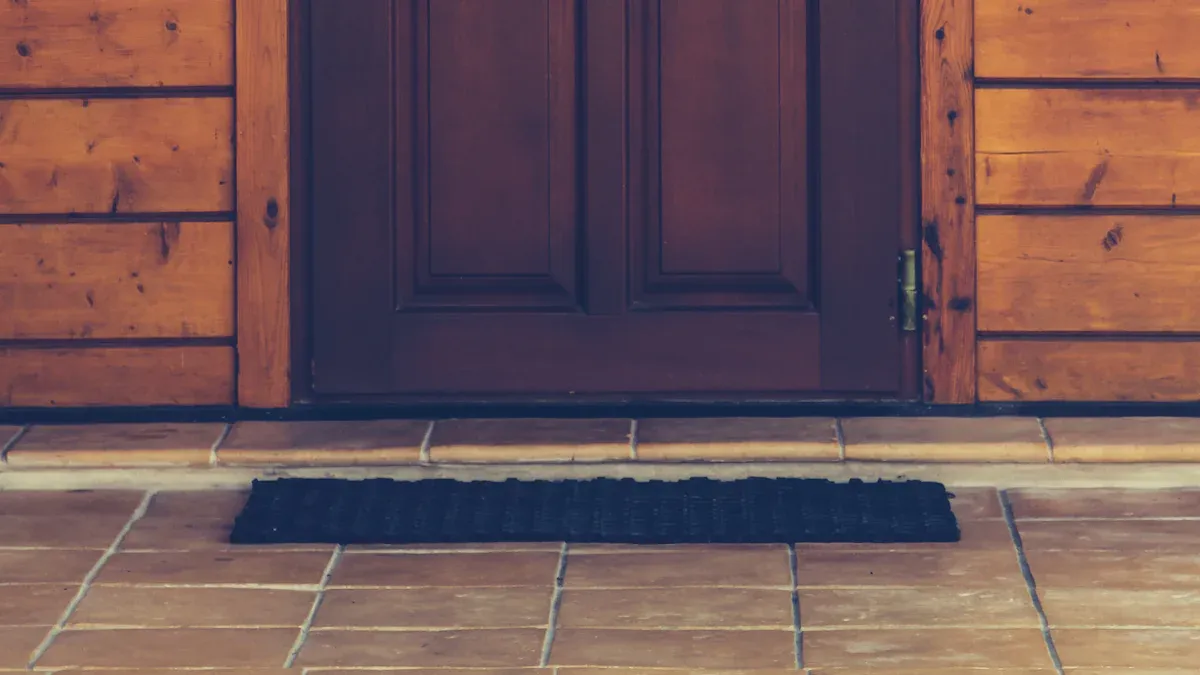
When you choose wooden doors for your house, you want them to look nice, be strong, and feel cozy. Many people like wood because it feels warm and looks classic. More than half of North American families pick wooden doors. They like the special wood grain and how long the doors last.
Context / Region | Percentage of Homeowners Preferring Wooden Doors |
|---|---|
North American households | |
Buyers preferring wooden doors for design quality | 63% |
Wooden entry doors give you more than just a way in or out. They block noise well and give you privacy. They also match any room’s style. Think about what you need and what you like. Then you can find the best door for your home.
Pick wood types that work well in your area and where the door will go. This helps your doors last a long time. - Use hardwoods like mahogany, oak, or teak for front doors. These woods are strong and can handle bad weather. - Clean, seal, and refinish your wooden door often. This keeps it safe from the weather and looking nice. - Choose door styles and finishes that match your home’s style. Make sure they are easy to take care of and protect the door. - Measure the space well and think about getting a pro to install the door. This makes sure your door fits right and opens easily.
When you pick wooden doors for your home, you need to think about where you will put them. The location changes what features you need. If you want a door for the outside, you need wood that can handle rain, sun, and even salty air if you live near the coast. Mahogany and teak work well in humid places because they resist moisture and rot. Cedar is a good choice for dry areas since it does not crack easily. For inside your home, you have more options because interior wooden doors do not face harsh weather. You can choose different wood types and styles for bedrooms, bathrooms, or closets. If you live in a place with hurricanes, you need to think about safety. Standard wooden doors may swell or warp from moisture. In these areas, you might need extra-strong doors or special impact-resistant models to keep your home safe.
Tip: Always match the wood type to your local climate and the door’s location. This helps your wooden doors last longer and keeps your home comfortable.
Your budget plays a big role when you shop for wooden doors. High-quality wood doors usually cost between $500 and $5,000, depending on the wood species, design, and any custom features. Here’s a quick look at how the cost compares to other door materials:
Door Material | Typical Price Range (USD) | Notes |
|---|---|---|
Wood | $500 - $5,000 | Higher upfront cost, but you get beauty and long life |
Fiberglass | $800 - $1,500 (standard); up to $4,000 (high-end) | Less expensive, but top models can cost as much as wood |
Steel | $150 - $1,400 | Most affordable, but less warmth and style |
Security is just as important as cost. You want your home to feel safe. Wooden doors can be very secure if you choose the right features. Some of the best options have a steel core inside, covered with wood on the outside. This gives you the classic wood look with strong protection. Advanced locks, sturdy frames, and even glass inserts that resist breaking can boost your safety. Popular wood choices for secure doors include oak and mahogany because they are strong and hard to break. If you want both style and safety, look for wooden doors with these security features.
Choosing the right wood for your doors can make a big difference in how your home looks and feels. You want doors that last, look beautiful, and fit your needs. Let’s break down the main types of wood you’ll find in solid wood doors and see what works best for you.
When you shop for doors, you’ll see two main types of wood: hardwood and softwood. These names don’t just describe how tough the wood feels. They tell you about the tree it comes from and how the door will perform in your home.
Hardwood comes from slow-growing trees like oak and mahogany. These doors feel heavy and solid. They resist scratches and dents, so they keep looking good for years. You’ll often see a hardwood front door on homes that want both style and strength. Softwood, on the other hand, comes from fast-growing trees like pine and cedar. These doors are lighter and easier to shape. They cost less, but they can get scratched or dented more easily.
Here’s a quick look at how hardwood and softwood doors compare:
Feature | Hardwood Doors | Softwood Doors |
|---|---|---|
Source | Deciduous trees (slow-growing) | Coniferous trees (fast-growing) |
Density & Strength | Denser, stronger, more scratch-resistant | Less dense, softer, more prone to dents/scratches |
Durability | More durable, longer-lasting | Less durable, requires more maintenance |
Resistance | Naturally resistant to moisture and insects (e.g., oak, mahogany) | Less resistant, more susceptible to damage |
Cost | Generally more expensive | More affordable |
Workability | Harder to work with | Easier to work with |
Ideal Use | Applications needing longevity and aesthetic appeal (e.g., exterior doors) | Suitable for cost-effective, less demanding uses |
Tip: If you want your doors to last a long time and handle daily wear, hardwood is the way to go. If you want something budget-friendly for inside your home, softwood can be a smart choice.
You have many choices when it comes to the species of wood for your doors. Each type brings its own look and benefits to your home.
Mahogany: This wood has a rich, reddish-brown color that darkens over time. It’s extremely durable and resists insects and rot. Mahogany doors can last for generations if you take care of them.
Spanish Cedar: This wood smells great and naturally keeps away insects and moisture. It’s a good insulator and doesn’t warp easily.
Walnut: Walnut gives you a deep, dark color with beautiful grain patterns. It’s dense and sturdy, so it stands up well to daily use.
Oak (Red & White): Oak has a strong, visible grain and feels very solid. It’s tough, resists insects, and works well for both inside and outside doors.
Cherry: Cherry wood starts out light and turns a rich red with sunlight. It’s strong, resists shrinking and swelling, and holds its finish well.
Knotty Alder: This wood has a rustic look with knots and swirls. It’s softer than other hardwoods, so it needs a good finish to protect it.
White Pine: This wood has tight grain and small knots. It’s durable for interior doors and doesn’t warp much.
Alder: Alder is soft and easy to shape. It resists decay and gets darker as it ages, which adds character.
Larch: Larch is strong and stands up to moisture.
Pine: Pine is affordable and helps keep your home warm.
Spruce: Spruce is lightweight and insulates well. It’s easy to paint or finish, so you can match it to your style.
Cedar: Cedar smells nice and keeps away bugs and moisture. It’s perfect for closets and storage spaces.
Note: Solid wood doors made from these species can bring warmth and beauty to your home. You can pick a wood that matches your style and your needs.
You might wonder if choosing wood for your doors is good for the planet. The answer depends on how the wood is sourced and used. When you pick doors made from wood that comes from responsibly managed forests, you help protect the environment.
Wood from sustainable forests gets replanted, so there’s always a new supply.
Wood is biodegradable. When it’s time to replace your door, it breaks down naturally and doesn’t fill up landfills.
Wood helps keep your home energy-efficient because it’s a natural insulator.
You can recycle wood or use it for other projects, which cuts down on waste.
Wood stores carbon, which helps fight climate change.
Look for certifications like these when you shop for doors:
Forest Stewardship Council (FSC)
Sustainable Forestry Initiative (SFI)
American Tree Farm System (ATFS)
These labels show that the wood in your doors comes from forests that are managed with care. They also mean your doors meet high standards for sustainability and environmental responsibility.
�� Choosing solid wood doors with these certifications means you’re making a smart choice for your home and the planet.
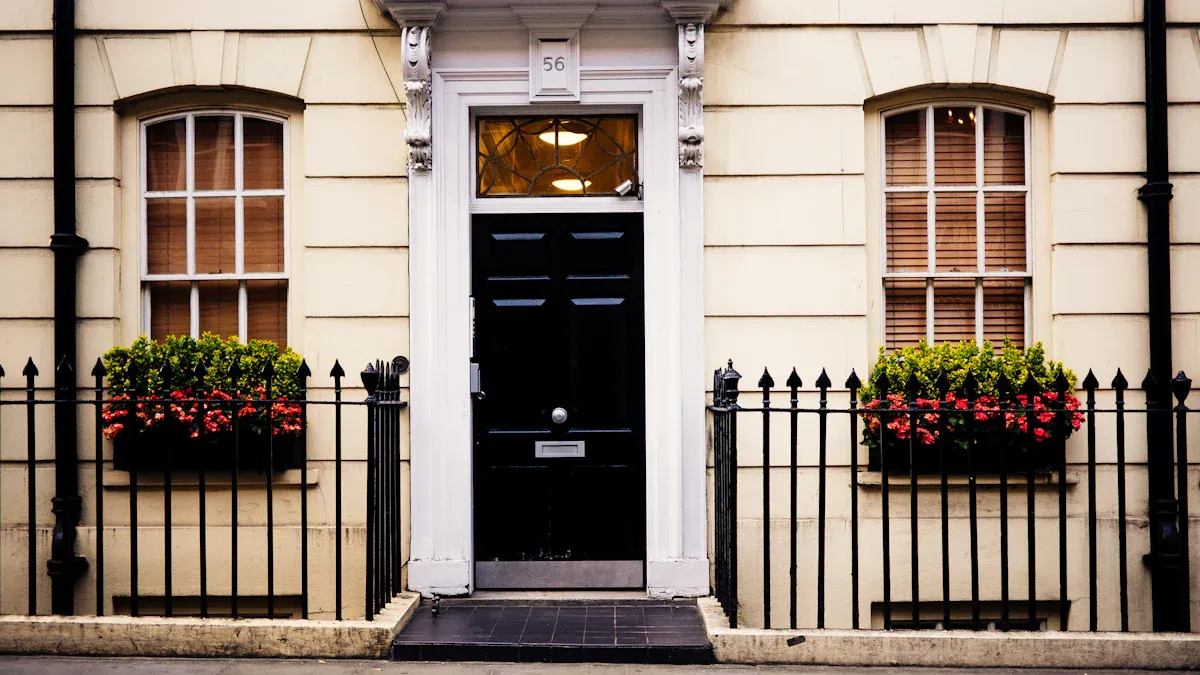
When you pick a wooden front door, you want it to last. Durability is important because doors get used every day. They also face different weather. Solid wood doors look classic. But you should know how they compare to other doors. Wood is a natural material. It changes with humidity, sunlight, and temperature. This means you must care for it more than steel or fiberglass.
Let’s see how different doors compare:
Door Material | Lifespan Estimate | Maintenance Requirements | Notes |
|---|---|---|---|
Wood | About 30 years | Needs lots of care; polish, dust, refinish; repaint or re-stain every 1-3 years; protect from weather | Looks great but needs more work; reacts to weather |
Steel | 30 to 100 years, but only about 10 in tough places | Not much care needed; clean to stop rust; can dent or rust if not cared for | Strong and cheap, but rusts fast in salty or wet air |
Fiberglass | Up to 70 years or more | Very little care; no painting or staining; easiest to keep up | Lasts longest and is easy to care for; saves energy |
Wooden front doors look nice, but they need more care. You have to polish, dust, and refinish them to keep them looking good. If your door gets lots of sun, you may need to refinish it every year. If it is in the shade, you might wait three years. Steel and fiberglass doors last longer and need less work. But they do not look as warm or pretty as wood.
Here are some things to remember about durability:
Wooden front doors look great, but need the most care. You must repaint or re-stain every one or two years to stop warping or splitting.
Steel doors last a long time, but in salty or wet places, they may only last about ten years before rust starts.
Fiberglass doors last the longest and need the least care. They do not dent or need painting.
If you want your wooden front door to last, pick a strong wood like oak or mahogany. These woods handle daily use and weather better than soft woods. Taking care of your door helps it stay strong and beautiful for many years.
Tip: If you want a door that lasts and looks classic, pick a solid wood door made from dense hardwood. Just remember to keep up with care.
Weather can be hard on your wooden front door. Rain, sun, wind, and bugs can all cause problems. Wood soaks up water, so in wet places, your door might swell or bend. In dry or hot places, wood can shrink and crack. Sunlight can fade the color and make the finish peel. Bugs like termites can also hurt wood if you do not protect it.
Here’s how different weather affects your door:
Climate Factor | Effect on Wooden Front Doors | Supporting Details and Prevention Measures |
|---|---|---|
Humidity (humid climates) | Wood soaks up water and swells or bends | Door can change shape; use woods like teak or ipe, seal well, and care for it often |
Dry/Hot climates | Wood shrinks and cracks | Dry air makes wood shrink; pick strong woods like oak or mahogany; keep finish in good shape |
Temperature fluctuations | Wood grows and shrinks, causing gaps or bends | Changes stress the wood; install and seal well to stop damage |
Sunlight exposure | Color fades and finish peels | Sunlight hurts the finish and color; use finishes that block UV rays and keep out of direct sun |
Insect infestation | Bugs can hurt the wood | Unprotected wood is at risk; use woods like cedar or redwood and seal well |
You can protect your wooden front door with the right treatments. Stains with sealants keep out water and show off the wood’s grain. Outside paints give you color choices and block the sun. Sealants stop water from getting in and help stop cracks and bends. Polyurethane keeps out water and makes the wood shine, but you must put it on again every two years. Spar varnish is flexible and protects from sun and rain, but you need more coats and yearly touch-ups.
Stains and sealants help keep out water and make your door look good.
Outside paints protect from sun and rain, but you may need to touch up every five or six years.
Polyurethane and spar varnish both help, but each needs its own care.
Always get the door ready and put on finishes the right way for best results.
Regular care is important. Wipe your door, check for cracks, and refinish when needed. If you live in a tough place, pick a wood that fights water and bugs, like teak or cedar. With the right care, your wooden front door can handle almost any weather.
Note: The right finish and regular care will help your wooden front door stay strong and beautiful, no matter where you live.
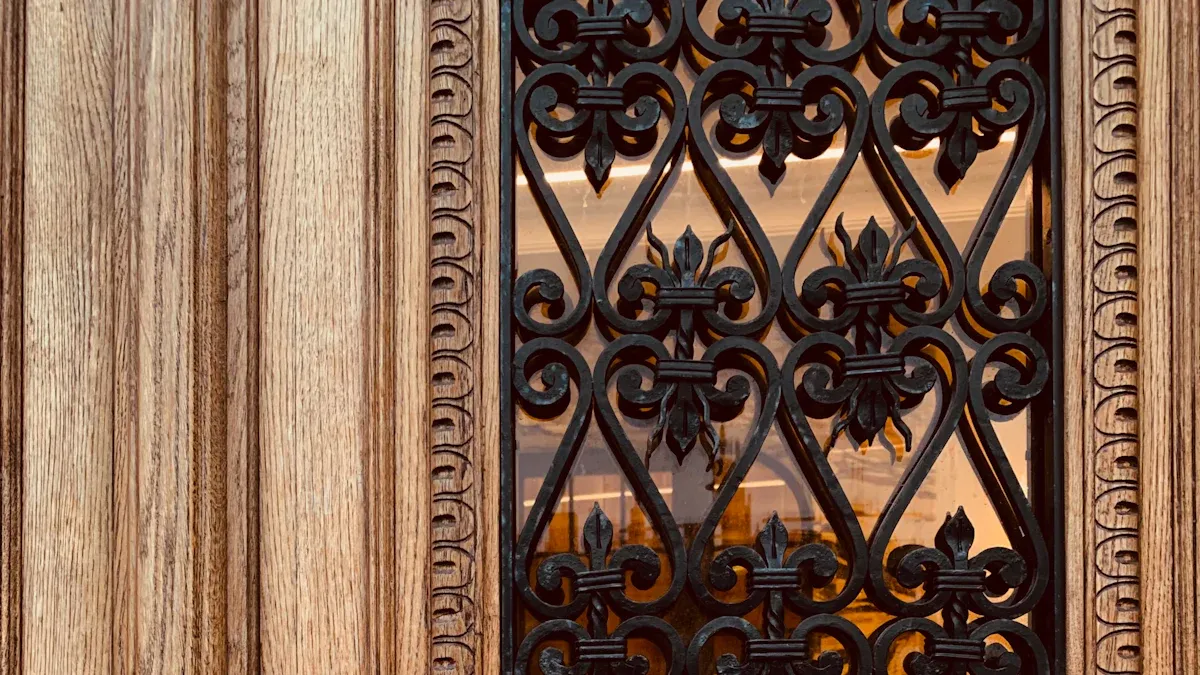
When you choose a wooden door, you shape the whole look of your home. The right style can make your space feel modern, cozy, or classic. Today, many homeowners love clean lines and simple shapes. You see this in modern doors, shaker doors, and mid-century modern designs. These styles fit well with most rooms and never go out of fashion.
Here are some popular wooden door styles you might like:
Barn doors: These slide open and save space. They add a warm, rustic touch.
Bifold doors: Great for closets or laundry rooms. They fold up and take little room.
Flush semi-solid doors: These have a smooth surface and look sleek.
Glass panel doors: These let in light and make rooms feel bigger.
Louvered panel doors: These have slats for airflow, perfect for pantries or laundry.
Shaker panel doors: These have a simple frame and flat center, giving a timeless look.
Classic doors: These work in almost any home and never go out of style.
Mixing wood with glass panels is a big trend. It brings in more light and adds a touch of elegance. Many people also pick neutral tones like beige or light gray for a calm, soothing effect. If you want a modern look, try matte black or brushed nickel handles.
Tip: Minimalism is key in today’s aesthetics. Simple designs and eco-friendly wood make your home feel fresh and inviting.
The color and finish you pick for your wooden door change its appearance and how much care it needs. Lighter colors work best if your door faces the sun. Dark stains or paints can cause wood to warp in bright light. Always finish all sides of the door, even the edges, to protect it from moisture.
Paint finishes give the best protection. They last up to ten years and need little upkeep, but they hide the natural wood grain. Clear finishes, like oil-based varnish, show off the wood’s beauty but need more care. You might need to sand and recoat every few years to keep the door looking fresh.
If you love the natural look, clear finishes highlight the grain and make the wood stand out. Just remember, you’ll need to check for cracks or peeling and add a new topcoat each year, especially if your door gets a lot of sun. Regular cleaning with mild soap helps keep the appearance bright and welcoming.
Note: The right finish not only boosts your door’s appearance but also protects the wood, making your home look great for years.
When you start choosing the wood for your front door, think about your local weather. Not all wood handles rain, heat, or humidity the same way. If you live in a humid or rainy place, teak stands out as a top choice. Teak has natural oils that keep out moisture and help your wooden front door last longer. Sapele is another great option. It resists rot, insects, and warping, so you do not have to worry about your door changing shape.
Oak works well in many climates, but it may need more care if you get lots of rain or heat. Walnut looks beautiful and feels sturdy, but it needs regular sealing to keep out moisture. Softwoods, like pine, are not the best for a wooden front door in humid areas. They swell and shrink more, which can cause problems.
Here’s a quick look at how some woods compare:
Wood Species | Durability | Weather Resistance | Maintenance Needs |
|---|---|---|---|
Teak | Excellent | Excellent | Low |
Sapele | High | Excellent (sealed) | Minimal |
Oak | Good | Good | Higher |
Walnut | Good | Moderate | Regular |
Tip: Pick hardwoods like teak or sapele for the best results in tough weather. They help your wooden front door stay strong and beautiful.
You want your wooden front door to look great and last for years. Regular care makes a big difference in its longevity. Start by sealing all the edges of your door. This keeps out water and stops warping. If you can, add a porch or awning to protect your door from direct sun and rain.
Follow these steps to keep your door in top shape:
Clean your door with mild soap and water. Skip harsh cleaners.
Check your door every year for cracks, peeling paint, or damage.
Reseal or add a new topcoat every few years, especially if the finish feels dry.
Lubricate the hinges once a year so your door opens smoothly.
Replace worn weatherstripping to keep out drafts and moisture.
Note: A little care goes a long way. With the right wood and regular upkeep, your wooden front door can welcome guests for decades.
You can make your wood entry doors stand out with glass and metal accents. Glass panels let in natural light and create a welcoming feel. Frosted or stained glass adds privacy while still looking stylish. Metal accents, like iron grilles or decorative studs, give your door a bold look. Some people choose brushed nickel or matte black handles for a modern touch. You can mix glass and metal to match your home’s style. These details turn a simple door into a statement piece.
The right hardware makes your wood entry doors both secure and beautiful. You can pick from many handle shapes, lock types, and hinges. Modern lever handles look sleek, while classic knobs feel timeless. Deadbolts and smart locks add extra security. Hinges come in different finishes, so you can match them to your other fixtures. You might want a door knocker or a mail slot for extra charm. Hardware choices help your door work well and look great.
Cestlavhome gives you many ways to customize your wood entry doors. You can choose from models like FM-001, FM-002, FM-011, FM-012, FM-015, the 009-010-011 series, and the MM013-014-015 series. Each model has its own design, so you can find one that fits your taste. These doors are strong and last a long time. You can pick the wood species, color, size, and finish. Many homeowners like Sapele Mahogany, Spanish Cedar, Western Red Cedar, White Oak, Reclaimed White Oak, and Poplar. Staining brings out the natural grain in woods like Sapele Mahogany and White Oak. Painting works well for Poplar if you want a bold color.
Cestlavhome supports you with creative design services. Their team can help you match your door to your floor plan and style. You can pick from finishes like matte, piano lacquer, or metallic effects. The company offers doors for many styles, such as Modern Simplicity, Italian Light Luxury, and New Chinese Style. If you need help, their customer service team is ready to answer your questions any time. You can get your custom wood front door made just for you, with delivery options that fit your needs.
Tip: Customizing your wood entry doors lets you show off your style and make your home unique.
Getting the right fit for your wooden door starts with careful measuring. If you skip this step or rush through it, you might end up with a door that does not fit or swings the wrong way. That can lead to a lot of frustration and extra work. Here are some common mistakes people make when measuring for new doors:
Picking a door that is too big or too small for the opening.
Forgetting to check which way the door should swing.
Not measuring the width, height, and thickness at several points.
Overlooking nearby walls, furniture, or sliding doors that could block the door.
Taking rough or quick measurements instead of being precise.
If you make these mistakes, your door might scrape the floor or not close all the way. This is a big problem in tight spaces or near patios. You might need to resize the door, which takes more time and money. To avoid these headaches, use a tape measure and double-check your numbers. If you feel unsure, you can always ask a professional to measure for you. Many people find this saves them stress and prevents costly errors.
Tip: Measure twice, order once! Double-check every measurement before you buy your new door.
Once you have your door and the right measurements, you need to decide how to install it. You can do it yourself or hire a professional. Each choice has its own pros and cons.
Aspect | DIY Installation | Professional Installation |
|---|---|---|
Time | Takes longer, especially if you are new to it. | Saves you time; experts work quickly. |
Skills & Tools | Needs special tools and know-how. Mistakes are common. | Professionals have the right tools and skills for a perfect fit. |
Common Issues | Doors may stick, squeak, or not line up. | Experts prevent these problems from the start. |
Energy Efficiency | Poor sealing can let in drafts. | Proper sealing keeps your home comfortable and saves energy. |
Compliance & Safety | DIY may not meet building codes. | Professionals follow all safety and code rules. |
Security | Locks and latches may not work well if installed wrong. | Secure installation protects your home. |
Aesthetic Appeal | Risk of dents, scratches, or uneven trim. | Clean, polished look that boosts curb appeal. |
Warranty & Guarantees | No warranty if you make a mistake. | Many pros offer warranties for peace of mind. |
Convenience | Can be stressful and messy. | Professionals handle everything, even cleanup. |
Long-Term Value | Mistakes can lower your home’s value. | Proper installation adds value and lasts longer. |
If you love DIY projects and have the right tools, you might enjoy installing your own door. If you want a smooth, stress-free experience, hiring a pro is a smart move. Either way, a well-installed wooden door will look great and work perfectly for years.
Choosing the right wooden door means thinking about style, durability, and function. You want a door that looks great, keeps your home safe, and stands up to daily use. Most experts agree that security and cost matter just as much as appearance. When you follow each step, you make sure your door fits your needs for security, safety, and longevity. Use this guide as your checklist. If you want more help, reach out to Cestlavhome for expert advice or explore their interior doors for the perfect match.
You get the best results with hardwoods like mahogany, oak, or teak. These woods last a long time and handle weather well. They also look beautiful and add value to your home.
Clean your door with mild soap and water. Wipe it dry. Check for cracks or peeling. Add a fresh coat of finish every few years. This keeps your door shiny and strong.
Yes! You can paint your door any color or use stain to show off the wood grain. Just make sure you use products made for exterior wood. This helps protect your door from sun and rain.
Measure the width, height, and thickness of your door opening. The door should open and close smoothly. If it sticks or leaves gaps, you may need to adjust the hinges or weatherstripping.
Absolutely! You can order custom sizes and finishes from Cestlavhome. Their team helps you pick the right style and fit for your space. Just contact their customer service for details.


