
Have you ever looked at a beautiful piece of furniture and wondered what stories it could tell? Or wished you had one item that could hide clutter, add character, and still match your home’s style? The armoire is one of those rare pieces — practical, elegant, and full of history.
An armoire (pronounced arm-waar) is a tall, freestanding storage cabinet with doors. While it began as a place to store weapons and armor centuries ago, today it serves as a stylish and flexible solution for clothing, electronics, linens, and more. Many people still choose armoires because they offer classic charm while solving modern storage problems.
In this post, you’ll get a clear and simple guide to everything you need to know about armoires. Here’s what we’ll cover:
By the end, you’ll have a complete understanding of armoires and how to choose the best one for your space.
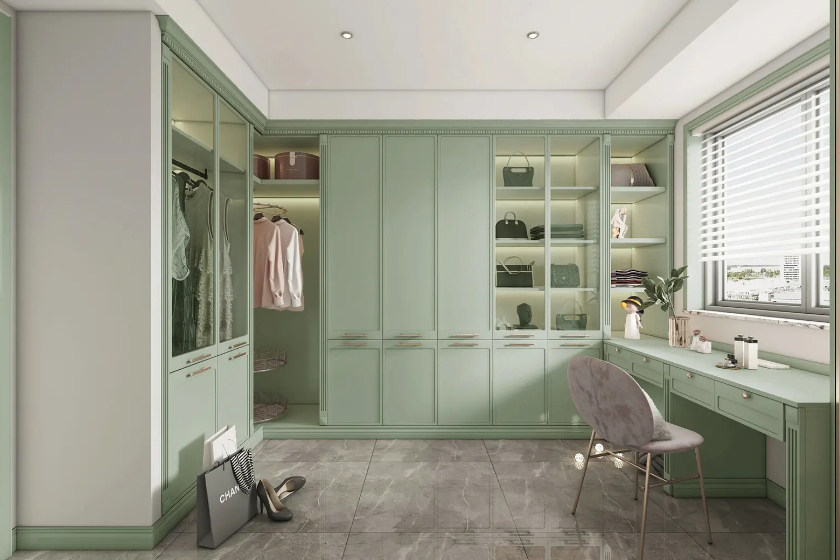
An armoire is a tall, freestanding storage cabinet with two large doors and a spacious interior. It’s designed to hold clothing, linens, or household items, and often works as a closet substitute in rooms without built-ins. Most armoires include shelves, drawers, or a hanging rod, making them a flexible all-in-one storage solution.
Unlike basic cabinets or simple dressers, an armoire is built for vertical storage, giving you more room without taking up extra floor space. Here’s a quick look at how they compare:
| Feature | Armoire | Cabinet | Dresser |
|---|---|---|---|
| Height | Tall / vertical | Medium | Low / horizontal |
| Doors | Yes, usually double doors | Sometimes | No |
| Shelves | Common | Common | Rare |
| Drawers | Often included | Sometimes | Primary feature |
| Hanging Rod | Usually included | Rare | Not included |
| Best For | Clothes, linens, multi-use storage | General household storage | Folded clothes |
Double doors that open to a spacious storage area
Vertical design to save floor space
Shelves for folded items or baskets
Drawers for smaller pieces or accessories
Hanging rod for shirts, jackets, or dresses
Closed-door design to hide clutter and keep rooms tidy
An armoire is more than just storage — it’s a practical piece that keeps your space organized while adding style and structure to any room.
The word “armoire” has been around for hundreds of years, and its story is surprisingly interesting. It comes from the Latin word armarium, which meant a place to store tools, arms, or important items. Over time, the word moved into Old French as armoire, where it referred to a sturdy cupboard used to hold weapons, armor, or valuables in large estates.
As homes and lifestyles changed, so did the purpose of the armoire. What started as a secure storage chest for weapons eventually transformed into a tall wooden cabinet used for linens, clothing, and household essentials. By the 17th and 18th centuries, especially in France, armoires had become elegant furniture pieces with carved doors and spacious interiors.
Today, an armoire simply means a freestanding wardrobe-style cabinet designed for storage. Most people use it to keep clothes, accessories, or linens organized—especially in bedrooms that don’t have built-in closets.
| Time Period | Word | Meaning |
|---|---|---|
| Ancient Rome | armarium | A storage place for arms, tools, valuables |
| Middle Ages (France) | armoire | A strong cupboard or chest for important items |
| Modern Use | Armoire | A freestanding wardrobe or multi-use storage cabinet |
Latin roots: Started as armarium — storage for weapons/tools
Old French influence: Became armoire — a secure household cupboard
Modern meaning: A standalone wardrobe used for clothing and general storage
Armoires didn’t begin as elegant bedroom furniture. In medieval times, they were sturdy wooden cupboards used to store tools, weapons, and other valuables. As households grew and people owned more clothing and linens, the armoire’s purpose shifted. By the 16th to 18th centuries, especially in France, armoires became essential pieces in noble homes. They were large, impressive cabinets used to store garments, fine fabrics, table linens, and sometimes important documents.
As the armoire became more common in wealthy homes, it also became more decorative. Skilled craftsmen added details that turned simple storage into a showpiece. Designs often featured:
Hand-carved doors
Decorative moldings
Inlaid or veneered wood panels
Painted or gilded finishes
Iron or brass hardware
Different regions developed their own styles.
For example:
| Style | Origin | Characteristics |
|---|---|---|
| French Provincial | Rural France | Curved lines, lighter colors, floral carvings |
| Louis XV / Louis XVI | Paris, France | Ornate details, symmetry, rich woods, elegant shapes |
| Colonial American | Early U.S. colonies | Simpler lines, heavier builds, practical designs |
These variations show how armoires became both functional and artistic across different cultures.
As trade increased and homes evolved, so did furniture. The armoire’s design spread throughout Europe and eventually to North America. In many regions, homes lacked built-in closets, so a tall freestanding wardrobe became essential. Over time, the armoire adapted to new needs—shifting from clothing storage to multipurpose storage, media cabinets, and even home office solutions as lifestyles changed.
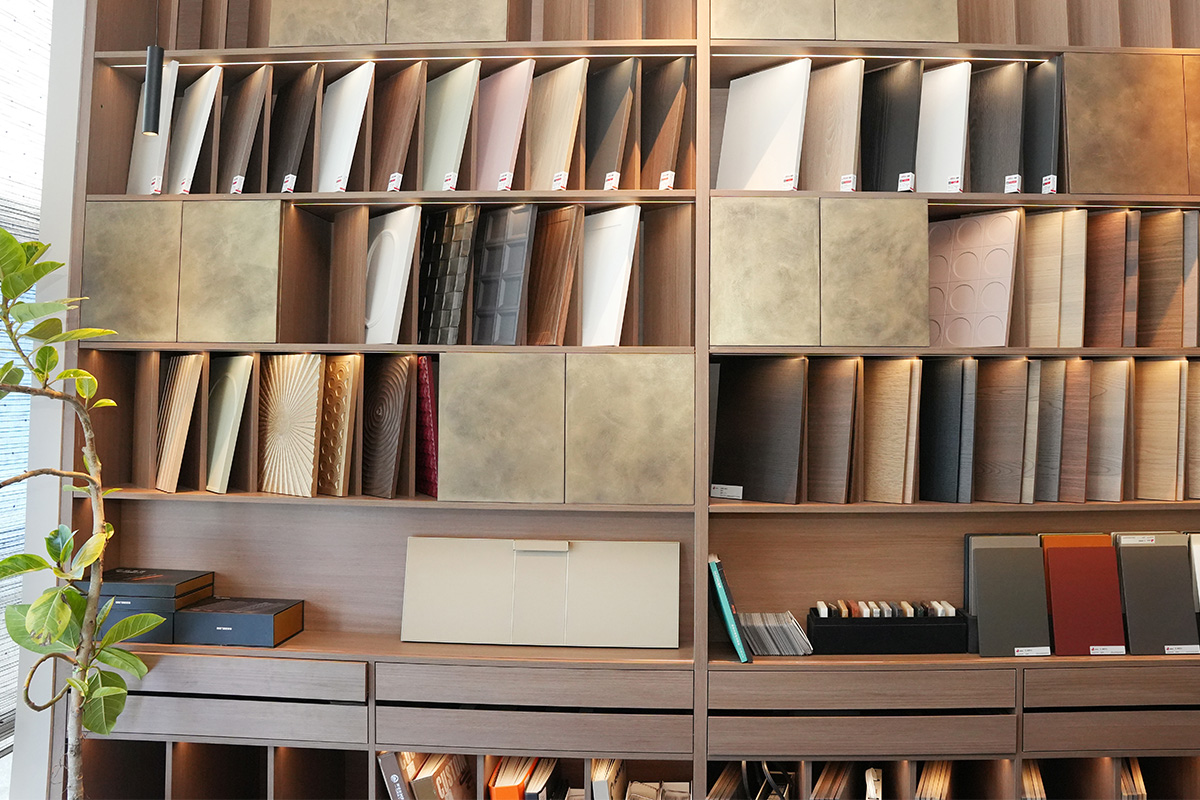
When people talk about bedroom storage, the words armoire, wardrobe, closet, chifferobe, and dresser often get mixed up. They all hold clothing, but they aren’t the same. Understanding these differences makes it easier to choose the right piece for your space.
Armoire
A tall, freestanding cabinet with doors. Inside, it usually includes shelves, drawers, and a hanging rod. Often more decorative or statement-making.
Wardrobe
A simpler freestanding cabinet mainly designed for hanging clothes. It may include shelves, but usually has a more modern or minimal design.
Closet
A built-in space in the wall. It isn’t a piece of furniture, and it stays with the house. Closets often include hanging rods and shelves.
Chifferobe
A hybrid piece combining a wardrobe and a dresser. One side has a hanging area, while the other side has drawers.
Dresser
A low, horizontal piece of furniture with multiple drawers for folded clothes. No doors and no hanging space.
Hanging vs folding: Wardrobes and armoires support hanging clothes, while dressers focus on folded items.
Built-in vs freestanding: Closets are fixed; everything else can be moved.
Interior layout: Armoires usually offer the most variety—rods, shelves, drawers—all in one place.
Style: Armoires are often more ornate, while wardrobes and dressers lean modern or simple.
Versatility: Armoires can function as clothing storage, a TV cabinet, or even a home office.
People sometimes use “armoire” and “wardrobe” to mean the same thing, especially in modern furniture stores. In general use:
“Armoire” tends to describe a more decorative or traditional piece.
“Wardrobe” describes a simple, functional storage unit.
But both refer to tall, freestanding clothing cabinets.
| Feature | Armoire | Wardrobe | Closet | Chifferobe | Dresser |
|---|---|---|---|---|---|
| Storage Style | Shelves + rods + drawers | Mostly hanging space | Built-in, depends on home | Hanging + drawers | Drawers only |
| Mobility | Freestanding | Freestanding | Fixed in place | Freestanding | Freestanding |
| Aesthetic | Ornate, traditional, or statement piece | Simple or modern | N/A | Hybrid look | Low profile, minimal |
| Best For | Multi-purpose storage | Clothing organization | Long-term home storage | Kids’ rooms or small bedrooms | Folded clothes |
| Door Type | Double doors | Double/single doors | None (built-in) | Combo | No doors |
An armoire may look like a simple tall cabinet from the outside, but its interior is designed to handle a wide variety of storage needs. Most armoires share the same core components, though the layout can change depending on the style or purpose.
The doors are the most noticeable part of an armoire. They protect what’s inside and also help define the piece’s style.
Common door types include:
Hinged doors – the classic style, easy to open wide.
Mirrored doors – useful for bedrooms and help make small rooms feel larger.
Sliding or pocket doors – great for tight spaces or for TV armoires where doors tuck away.
Shelves are a big part of what makes an armoire so versatile.
You’ll often find:
Fixed shelves for stability.
Adjustable shelves so you can change the layout to fit folded clothes, baskets, or electronics.
Most wardrobe-style armoires include at least one hanging rod.
This makes it easy to store shirts, coats, dresses, or anything that needs to stay wrinkle-free.
Many armoires include:
Drawers for small items like accessories or undergarments.
Cubbies or compartments for folded clothing, bags, or linens.
These storage zones help turn the armoire into a complete closet alternative.
Armoires can stand on:
Short legs (common in French Provincial or vintage styles)
A solid base that sits directly on the floor (often more modern or rustic designs)
The base style affects both the look and the stability of the piece.
Armoires are known for their decorative touches, especially traditional designs.
Common details include:
Crown molding
Carved panels
Inlays or veneer patterns
Metal hardware such as knobs, pulls, and exposed hinges
These features can make an armoire feel elegant, rustic, or modern depending on the design.
Armoires are built from a range of materials, each offering a different look and level of durability:
| Material | Description | Best For |
|---|---|---|
| Solid wood (oak, walnut, mahogany) | Heavy, durable, long-lasting | Traditional or antique-style armoires |
| Pine | Lighter, softer, often used in farmhouse styles | Rustic or casual interiors |
| Engineered wood / veneer | Budget-friendly, uniform finish | Modern or minimalist rooms |
| Mixed materials | Wood + mirrors, metal hardware, or glass accents | Contemporary designs |
Together, these parts make an armoire not just a cabinet, but a smart and stylish storage solution for almost any room.
Armoires come in many shapes and styles, and each type is designed to solve a different storage problem. Whether you need a place for clothes, linens, electronics, or everyday clutter, there’s an armoire made for that purpose. Below are the most common ways armoires are categorized.
These categories focus on what the armoire is meant to store. The inside layout changes depending on its use.
A classic bedroom armoire with a hanging rod, shelves, and sometimes drawers. Ideal for storing shirts, jackets, dresses, and folded clothes.
Designed to hide TVs and electronics. Often includes:
Pocket or sliding doors
Cable cutouts
Deep shelves for media players or game consoles
A compact home office inside a cabinet. Common features:
Pull-out keyboard tray
Adjustable shelves
Space for a monitor and printer
Built for towels, sheets, and bedding. Usually contains several deep shelves.
Used for dry food, dishes, appliances, or cookware. These armoires maximize vertical kitchen storage.
A “mini mudroom” with space for:
Coats
Shoes
Bags
Seasonal accessories
A smaller, narrow cabinet with:
Felt-lined drawers
Hooks for necklaces
Compartments for rings, watches, and earrings
A flexible piece with adjustable shelves and closed doors—perfect for households needing hidden storage for miscellaneous items.
The type of material affects the look, weight, durability, and price of the armoire.
| Material | Characteristics | Best For |
|---|---|---|
| Solid wood (oak, walnut, mahogany, teak) | Strong, long-lasting, high-quality | Traditional, vintage, or luxury interiors |
| Pine | Lighter, softer, easy to paint | Farmhouse, rustic, casual styles |
| Engineered wood / veneer | Affordable, consistent finish | Modern or budget-friendly homes |
| Mixed materials | Often combines wood, mirrors, rattan, or metal | Contemporary or decorative styles |
Armoires can match almost any interior design style. The decorative details, hardware, and finishes help define the look.
Curved lines, carved details, soft colors, and an elegant vintage feel.
Rich dark wood, heavy carvings, and ornate craftsmanship.
Distressed finishes, natural textures, and simple hardware.
Clean lines, smooth surfaces, and little to no ornamentation.
Straight legs, simple shapes, and warm wood tones.
Unique craftsmanship, solid wood construction, and historical character.
A mix of classic and modern elements—great for blending with many décor styles.
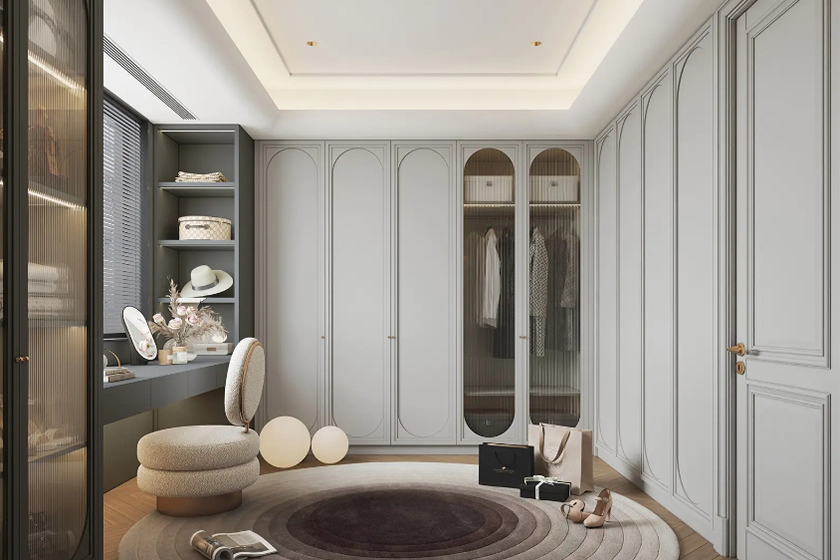
Today’s armoires are much more than traditional clothing cabinets. Thanks to their tall structure, closed doors, and flexible interiors, they work in almost any room and fit a wide range of modern lifestyles. Here are some of the most popular and creative ways people use armoires today.
If your bedroom doesn’t have a built-in closet—or the closet is tiny—an armoire can act as a complete storage system. With shelves, drawers, and a hanging rod, it handles everything from shirts to sweaters to shoes.
A TV armoire lets you keep screens out of sight when you’re not watching. Many include:
Deep shelves for electronics
Cable-management cutouts
Pocket doors that slide back so the TV is viewable without blocking space
This works especially well in cozy living rooms or cottage-style homes.
Armoires can serve as a stylish dining room storage solution. You can use them to organize:
Plates and bowls
Serving trays
Table linens
Glassware
It’s a great option if you want the storage of a china cabinet but prefer a more enclosed, clutter-free look.
For homes without a mudroom, an armoire can easily take its place. You can turn one into a drop-zone for:
Coats
Shoes
Bags
Scarves and hats
Dog leashes
Add hooks and baskets inside, and your entryway stays organized without installing anything permanent.
This is one of the trendiest armoire makeovers. By adding shelves and lighting, you can turn an old armoire into:
A hidden coffee station
A stylish cocktail bar
A wine cabinet with storage for bottles and glasses
It keeps your countertop free while giving your drinks a dedicated home.
A computer armoire, sometimes called a “cloffice,” transforms into a compact work area. It often includes:
A pull-out keyboard tray
Space for a monitor
Upper shelves for supplies
Doors to hide everything when the workday is over
Perfect for small apartments or shared living spaces.
If toys are taking over your living room, an armoire can help. The tall shelves keep puzzles, stuffed animals, and books organized, while the doors keep the mess out of sight. It also helps kids learn where things belong.
Crafters love armoires because they offer ready-made zones for:
Fabric
Tools
Supplies
Machines
Projects in progress
Some people even convert armoires into full sewing stations with fold-out tables.
Armoires are extremely space-efficient, especially in tight homes. Because they use vertical space instead of floor space, they work well for:
Studio apartments
Shared bedrooms
Tiny home layouts
Minimalist setups
You can store nearly anything inside—clothing, books, office supplies, or household essentials—without adding clutter.
Like any piece of furniture, an armoire comes with both strengths and limitations. Knowing these can help you decide whether it’s the right fit for your home and lifestyle.
One of the biggest advantages of an armoire is its flexibility. You can use it for clothes, linens, electronics, toys, kitchen items, or even as a home office cabinet. The mix of shelves, rods, and drawers makes it easy to organize almost anything.
Many armoires—especially traditional or vintage ones—feature beautiful craftsmanship. Carved doors, bold hardware, and rich wood finishes can make the armoire a focal point in any room.
If your home lacks built-in closets, an armoire can instantly fill the gap. It offers full closet-like functionality without requiring construction or wall installation.
With tall doors that fully close, an armoire keeps everyday items out of sight. It helps keep rooms tidy by hiding clothing, electronics, or kids’ toys behind clean, solid panels.
Solid-wood or antique armoires are often built to last for generations. They can hold sentimental value and may even increase in worth over time.
Armoires can be bulky, especially solid-wood or antique models. They often require two or more people to move and may be challenging to reposition within a room.
Because many armoires are tall and wide, bringing them into tight hallways or older homes with small door frames can be tricky. Some models come apart, but many do not.
Well-made armoires—especially solid wood—can be expensive. Antique versions, depending on age and craftsmanship, may also come with a higher price tag.
Wood armoires need regular dusting, polishing, and protection from humidity. Antique pieces may require even more careful upkeep to preserve their condition.
| Category | Benefits | Drawbacks |
|---|---|---|
| Storage | Very versatile | Can take up more space |
| Design | Stylish, statement-worthy | Heavy and hard to move |
| Function | Replaces a closet | May not fit small doorways |
| Longevity | Can be heirloom-quality | Higher maintenance needs |
Choosing an armoire is easier when you know exactly what to look for. Because armoires vary so much in size, layout, and style, it helps to think about your space, your needs, and how the piece will be used day-to-day.
Before you fall in love with a piece, make sure it actually fits your room.
Key measurements to check:
Height: Make sure there’s enough ceiling clearance so the armoire doesn’t feel cramped. Some antique armoires are especially tall.
Width & depth: Leave enough space to walk around the room comfortably.
Door swing: Hinged doors need room to open. If your space is tight, look for sliding doors or pocket doors that tuck back.
A quick checklist can help:
| Measurement | Why It Matters |
|---|---|
| Ceiling height | Prevents armoire from looking oversized |
| Wall width | Ensures piece fits without blocking windows or outlets |
| Door clearance | Avoids hitting walls or furniture |
| Room traffic flow | Keeps the room functional and safe |
Different needs require different interior setups. Ask yourself:
Clothing storage: Do you need more hanging space or folded space?
Linens: Deep shelves are best for sheets and towels.
TV or media: Look for cable cutouts, deeper shelves, and doors that slide back.
Home office: A computer armoire should have a pull-out tray, space for equipment, and hidden storage.
General storage: Adjustable shelves let you change the layout as needed.
Inside the armoire is where the real decision-making happens. Pay attention to:
Shelves: Are they adjustable?
Drawers: How many do you need for smaller items?
Hanging rods: One rod may be enough for shirts, but dresses or suits require more vertical space.
Example layout comparison:
| Interior Feature | Best For |
|---|---|
| Many shelves | Linens, pantry items, kids’ storage |
| Rod + shelves | Clothing combo storage |
| Drawers + cubbies | Accessories, small items |
| Large open space | Media/TV use |
The material affects durability, weight, and price.
Common options:
Solid wood: Strong, long-lasting, often the most beautiful. Best for heirloom-quality furniture.
Veneer over engineered wood: More affordable and lighter, with consistent finishes.
Engineered wood (MDF, particleboard): Budget-friendly but less durable for heavy items.
Also check the hardware:
Sturdy hinges
Smooth drawer slides
Strong door pulls
These small details make a big difference in everyday use.
Armoires can be heavy, especially solid-wood or antique models. Think ahead about:
One-piece vs modular: Some modern armoires come apart for easier moving; antiques usually don’t.
Weight: Heavier pieces may require multiple movers.
Staircases or narrow hallways: Measure these too—getting the armoire into your home can be the biggest challenge.
Both new and vintage armoires have advantages.
Consistent build quality
Modern features like cable cutouts or adjustable shelves
Often modular for easy delivery
Solid wood and unique craftsmanship
Character and charm you won’t find in new furniture
Potential long-term value
If you’re buying an antique, inspect the following:
Wood condition (cracks, warping, pests)
Door alignment
Structural stability
Functioning hardware
If it can fit through your door or be partially disassembled
A little extra inspection can save you from a big moving headache later on.
An armoire can be more than just storage—it can be a design centerpiece or even a completely new functional space. With a little creativity, you can blend it into your home’s style or turn it into something unexpected and useful.
The color of your armoire plays a big role in how well it fits into your room.
Here are a few ideas:
Neutral tones (white, cream, gray) blend easily with most décor.
Bold colors like navy, forest green, or black can make the armoire a focal point.
Natural wood finishes work well in rustic, farmhouse, or traditional homes.
A quick guide:
| Room Style | Best Armoire Colors |
|---|---|
| Modern | Black, white, cool gray |
| Farmhouse/Rustic | Natural pine, distressed white, warm oak |
| Traditional | Walnut, mahogany, deep brown |
| Boho/Eclectic | Painted pastels or bold jewel tones |
Where you place your armoire impacts how it functions and how it looks.
Bedroom: Use it as a closet alternative or a stylish clothing organizer.
Living room: Turn it into a TV hideaway or a display cabinet.
Hallway/entryway: Store coats, shoes, umbrellas, and bags.
Dining room: Use it as a china cabinet or extra storage for table linens.
Each room gives the armoire a fresh purpose and a new personality.
Lighting can instantly elevate the inside of your armoire.
Try:
LED strip lights along the sides
Motion-sensor puck lights for shelves
Warm white lights to showcase dishes, collectibles, or books
Lighting makes the interior easier to use and adds a polished, high-end touch.
How you arrange the inside of your armoire can make it feel organized and visually appealing.
Use woven baskets to hide small items.
Place decorative boxes for accessories or electronics.
Mix in décor pieces like framed photos, plants, or small sculptures to soften the look.
Keep items grouped to avoid visual clutter.
A simple styling formula:
| Shelf Level | Best Items |
|---|---|
| Top shelf | Light items, decorative boxes |
| Middle shelf | Daily-use items, baskets |
| Bottom shelf | Heavier items or large storage |
Swapping hardware is one of the easiest ways to update an armoire.
Gold or brass handles → modern or glam styles
Black metal hardware → industrial or minimalist looks
Antique bronze → classic or traditional interiors
Ceramic knobs → cottage or vintage charm
The right hardware can completely transform the piece without needing a full makeover.
If you have an old armoire that feels outdated or doesn’t quite fit your current style, the good news is that armoires are incredibly easy to refresh. A few simple DIY upgrades can transform an old piece into something unique, modern, and useful for today’s home.
Chalk paint is one of the most popular ways to update an old armoire. It covers dark wood easily and creates a soft, matte finish.
You can:
Paint the whole piece for a clean, modern look
Distress the edges for a farmhouse style
Try two-tone color blocking for something bold
No sanding is needed for many chalk-paint brands, which makes this upgrade fast and beginner-friendly.
Wallpaper adds personality to the inside of the armoire, especially if you use it for display or open storage. Peel-and-stick wallpaper is easy to apply and remove.
Popular pattern choices:
Floral prints for a vintage feel
Geometric designs for modern interiors
Wood textures for rustic charm
Metallic or marble prints for a luxe touch
Even a small amount of wallpaper makes the inside look more polished and intentional.
Hardware can change the entire vibe of an armoire. Swapping old knobs or handles takes minutes but gives your piece a fresh look.
Try options like:
Brushed gold for a modern luxury feel
Matte black for a clean, minimalist look
Vintage brass for traditional interiors
Ceramic knobs for a cute cottage style
It’s one of the easiest upgrades with the biggest payoff.
If you want your armoire to serve a new purpose, customizing the inside layout can make a big difference.
You can:
Remove shelves to fit a TV or computer monitor
Add shelves for extra folded storage
Install baskets or cubbies for toys or craft supplies
Insert tension rods for hanging clothes
A flexible interior helps transform an old armoire into something that fits your current needs.
Repurposing an armoire into a completely new piece is a growing trend.
Here are fun transformation ideas:
Coffee or Drink Bar
Add shelves for mugs or bottles
Install hooks for hanging cups
Place a small espresso machine or coffee maker inside
Use baskets for pods, tea, or drink accessories
Home Office (Cloffice)
Add a pull-out keyboard tray
Mount a monitor inside
Use drawers for office supplies
Add lighting for a work-friendly space
TV or Entertainment Cabinet
Use pocket doors to hide the TV
Add cable cutouts for wires
Install deep shelves for media players or gaming consoles
With a little creativity, an old armoire can become one of the most functional and stylish pieces in your home.
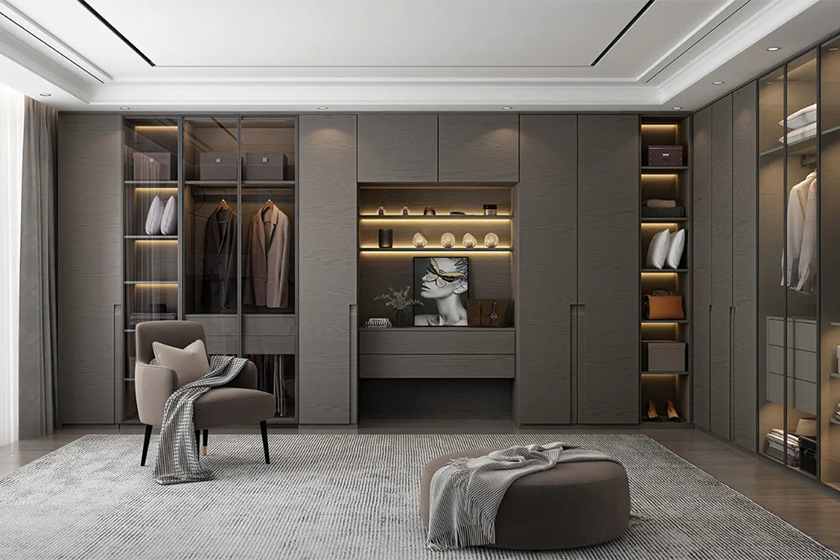
Antique armoires are more than beautiful pieces of furniture—they’re pieces of history. Many people love them not only for their craftsmanship but also for the character and charm that modern furniture often can’t match.
In most cases, an armoire is considered antique if it is at least 100 years old. These pieces were usually built by hand, often by skilled craftsmen using traditional joinery techniques. Because of their age, each antique armoire carries unique marks of its past, from the wood grain to the hardware.
Several factors determine the value and collectibility of an antique armoire:
Craftsmanship: Hand-carved details, dovetail joints, and decorative molding can significantly raise value.
Wood Type: Solid hardwoods like oak, walnut, mahogany, and cherry are highly sought after.
Age: Older pieces, especially from the 17th–19th centuries, are more collectible.
Condition: Armoires in good structural shape with original hardware are typically worth more.
Provenance: If the piece has a known origin or belonged to a notable estate, it may have added value.
A quick reference:
| Value Factor | Why It Matters |
|---|---|
| Craftsmanship | Indicates skill, time, and uniqueness |
| Material | Hardwoods last longer and age beautifully |
| Age | Older pieces are rarer and more desirable |
| Condition | Determines usability and restoration cost |
| Original Features | Authenticity increases collector value |
Many antique armoires were built from solid hardwood, not composite or engineered materials. This makes them heavier, stronger, and more durable. Traditional joinery—like mortise and tenon or hand-cut dovetails—also contributes to their long life.
Because they were built to withstand daily use long before mass manufacturing, many antique armoires are still sturdy and functional today.
Antique armoires can hold or even increase in value over time, especially if they are well cared for. They often become family heirlooms passed down through generations. Their timeless designs allow them to fit in both traditional and modern homes, which keeps them relevant in today’s market.
Whether used for clothing, display, or repurposed creatively, a well-preserved antique armoire is both a functional piece and an investment with lasting appeal.
Armoires can vary widely in size, but most follow a few common measurements. Knowing these dimensions ahead of time will help you pick a piece that fits comfortably in your space and works for what you want to store.
Most armoires fall between 60 and 80 inches tall, which is roughly the height of a standard closet.
Shorter models (60–65”) work well in small bedrooms or kids’ rooms.
Taller models (70–80”+) offer more storage and create a strong visual presence in the room.
Width can vary much more than height depending on the design.
Common widths include:
30–40 inches for compact armoires
40–60 inches for standard clothing armoires
60+ inches for large or antique models
If you plan to place your armoire on a narrow wall, measuring width is especially important.
Depth is one of the most important measurements, especially for clothing storage.
| Use | Recommended Depth |
|---|---|
| Hanging shirts, blouses, jackets | 20–22 inches |
| Hanging dresses or bulkier items | 22–24 inches |
| General storage, linens, baskets | 16–20 inches |
For hanging rods to work comfortably, the absolute minimum depth is 20 inches, but 22–24 inches is ideal to prevent your clothes from rubbing against the doors.
Where you put your armoire affects both how it functions and how the room feels.
Here are a few placement tips:
Small bedrooms: Choose a tall and narrow armoire and place it against the longest wall to save floor space.
Master bedrooms: A wide clothing armoire can act as a second closet or main wardrobe.
Living rooms: TV armoires work best centered on a wall for viewing.
Entryways: Use a slim armoire so it doesn’t block traffic.
Apartments or studios: Corner placement helps open up the center of the room.
A simple rule of thumb:
If the doors need to swing open, leave at least 24–36 inches of clearance in front.
Using the right size and placement ensures your armoire becomes a helpful storage piece—not an obstacle.
Taking good care of your armoire keeps it looking beautiful and helps it last for many years—especially if it’s made of solid wood or is an antique. A little routine attention goes a long way.
Dust your armoire regularly using a soft cloth or microfiber towel. For deeper cleaning:
Use a wood-safe cleaner or a mild soap-and-water solution.
Always wipe in the direction of the wood grain.
Apply furniture polish or wax a few times a year to protect the finish and keep the wood hydrated.
Avoid harsh chemicals, which can damage finishes or dry out the wood.
Wood reacts to changes in moisture, so the environment around your armoire matters.
Keep indoor humidity between 40–55% to prevent wood from cracking or swelling.
If your home is very dry in winter, a humidifier can help.
In humid climates, consider putting moisture absorbers inside the armoire to protect linen or clothing.
Maintaining stable conditions helps prevent warping or loose joints.
Direct sunlight can fade wood finishes over time.
Place your armoire away from bright, direct sunlight.
Use curtains or blinds if the room gets heavy sun exposure.
Moisture is another threat:
Avoid placing the armoire directly against cold or damp walls.
Never leave wet items inside the cabinet.
Wipe spills immediately to prevent staining.
Antique armoires require a bit more attention due to their age.
Check the following regularly:
Joints and hinges: Make sure they remain tight and stable.
Pests: Look for signs of woodworms or termites (tiny holes, sawdust).
Hardware: Keep hinges and locks oiled and functioning smoothly.
Finish: Use gentle products to avoid stripping original surfaces.
If an antique shows signs of major damage, gaps, or loose panels, consider getting help from a professional furniture restorer. Proper care can preserve its value and ensure it lasts for generations.
A: An armoire is not a built-in closet. It’s a freestanding cabinet that can hold clothes, linens, or general storage. Many people use it as a closet alternative, especially in older homes or apartments without built-ins.
A: An armoire is often more decorative and includes shelves, drawers, and a hanging rod. A wardrobe usually focuses mainly on hanging space and has a simpler, more modern design. Armoires tend to be statement pieces, while wardrobes are more utilitarian.
A: A chifferobe is a hybrid piece combining a wardrobe section (for hanging clothes) and a dresser section (drawers). An armoire hides everything behind two large doors and can include shelves, rods, or drawers behind the doors.
A: The word comes from the Latin armarium, meaning a storage place for arms or tools. Over time, the Old French version armoire became the term for a large wooden storage cabinet.
A: The purpose is to offer versatile, enclosed storage. People use armoires for clothing, linens, TVs, office supplies, craft materials, bar setups, or general organization.
A: Other names include wardrobe, free-standing closet, or storage cabinet. In French contexts, it’s still simply called armoire.
A: Yes. TV armoires have deep shelves, pocket doors, and cable cutouts. Computer armoires (also called “cloffices”) include desktop space, pull-out trays, and supply shelves.
A: Solid hardwoods such as oak, walnut, mahogany, and teak last the longest. They resist warping and can be refinished. Engineered wood is more affordable but less durable.
A: Some antique armoires, especially French ones, were built as knock-down pieces that come apart for moving. But not all antiques disassemble, so always check construction before purchasing or moving.
A: A knock-down armoire is designed to be taken apart into panels for easy transport. This was common in 18th–19th century European homes with narrow staircases.
A: Yes. Armoires offer vertical storage, which saves floor space. They also hide clutter behind doors, making small rooms look cleaner and more organized.
A: Common items include:
Clothing
Shoes and accessories
Linens and bedding
Office supplies
Electronics or TVs
Craft materials
Toys
Pantry items
Their enclosed design keeps everything out of sight.
A: Benefits include:
Works as a closet replacement
Adds style and personality
Provides hidden storage
Freestanding and movable
Often long-lasting, especially as solid wood or antique pieces
A: A free-standing closet is usually called an armoire or wardrobe.
A: A bespoke armoire is a custom-made piece built to fit specific needs, dimensions, or styles. It can include specialized shelving, lighting, or design elements.
A: Light décor items work best, such as:
Woven baskets
Plants (faux or low-maintenance)
Decorative boxes
Artwork
Vases
Avoid heavy items since the height can make them unsafe.
A: The word combines “chiffonier” (a tall dresser) and “wardrobe,” describing a piece that blends drawers with a hanging section.
A: In French, a wardrobe is called an armoire. Sometimes a smaller cabinet may also be called a “garde-robe.”
A: You can use it for almost anything:
Clothes
Linens
Entryway storage
TV/media
Home bar
Desk setup
Craft or sewing station
Pantry storage
Its flexibility is one of its biggest advantages.
A: While traditional china cabinets are less common, armoire-style storage with glass doors or mixed-use interior layouts remains popular, especially in dining rooms and open-concept homes.
A: In medieval Europe, “garderobe” referred to a room for storing clothes or valuables. Some castle toilets were used as a place to hang clothing, since the ammonia in the waste kept moths away.
An armoire is a timeless and useful piece of furniture that brings both storage and style into any room. With so many designs and functions to choose from, the best armoire is the one that fits your space, needs, and personal taste. When chosen well, an armoire can elevate your home’s design while keeping everyday items beautifully organized.


