
Views: 0 Author: Site Editor Publish Time: 2025-12-25 Origin: Site
Have you ever bought new furniture, only to find that it doesn’t quite fit your space—or your life? Many homeowners face this problem when they design their homes piece by piece. As homes get smaller and lifestyles become more complex, this old way of furnishing no longer works for everyone.
That’s where whole house customization comes in. Instead of buying separate items for each room, whole house customization focuses on designing the entire home as one complete system. It is not just about cabinets or wardrobes—it’s about creating a living space that matches how you live, work, relax, and grow.
In this article, you’ll learn what whole house customization really means, why more homeowners are choosing it over prefabricated furniture in 2025, and how a well-planned customization process can save you time, avoid costly mistakes, and help you design your home with confidence.
Whole house customization is a one-stop solution for designing and manufacturing custom furniture, cabinetry, and woodwork for your entire home. Instead of buying furniture room by room, everything is planned together—from layout and storage to materials and style—so the home works as one complete system.
In a true whole house customization project, coverage usually includes:
Entryway cabinets and shoe storage
Living room TV walls and built-in units
Kitchen cabinets and pantry systems
Bedroom wardrobes and walk-in closets
Bathroom vanities and storage
Balcony, laundry, and utility cabinets
The key idea is simple: all spaces are connected, so they should be designed together.
Home customization didn’t start as a full-house concept. It developed step by step:
Single-room customization
Homeowners first customized kitchens or wardrobes to improve storage and fit.
Multi-room customization
More rooms were added, but designs were still handled separately.
Whole house customization
Today, furniture, storage, and finishes are designed as one integrated system, with consistent measurements, materials, and style.
This shift happened because people realized that designing rooms separately often leads to wasted space, mismatched styles, and higher costs over time.
Whole house customization is most popular in markets where people value long-term living quality and efficient space use.
| Country | Estimated Adoption Rate |
|---|---|
| United States | ~35% |
| Canada | ~28% |
| Australia | ~31% |
| Germany | ~18% |
These countries tend to adopt whole house customization faster because:
Homes are designed for long-term use
Labor costs are high, making factory production more efficient
Homeowners expect better storage, comfort, and sustainability
A whole house customization project can cover almost every functional space, including:
Entryway: entrance cabinets and shoe storage
Living room: TV wall systems, display cabinets, hidden storage
Kitchen: cabinets, pantry units, appliance integration
Bedrooms: wardrobes, walk-in closets, bedside storage
Study rooms & home offices: desks, bookcases, cable management
Bathrooms: vanity cabinets, mirror storage, waterproof units
Balcony & laundry areas: utility cabinets and space-saving systems
Children’s rooms: safe, adaptable storage and furniture
Semi-outdoor & outdoor areas: balcony furniture and outdoor storage
This wide coverage is what makes whole house customization different from basic furniture buying.
Every successful whole house customization project is built around three core principles:
Maximum Space Utilization
Every corner is planned to serve a clear function, especially in small or irregular layouts.
Unified Design Language
Colors, materials, and proportions stay consistent from room to room, creating a clean and balanced look.
Personal Expression
The design reflects how you live—your habits, routines, and personal taste—rather than forcing you to adapt to standard furniture.
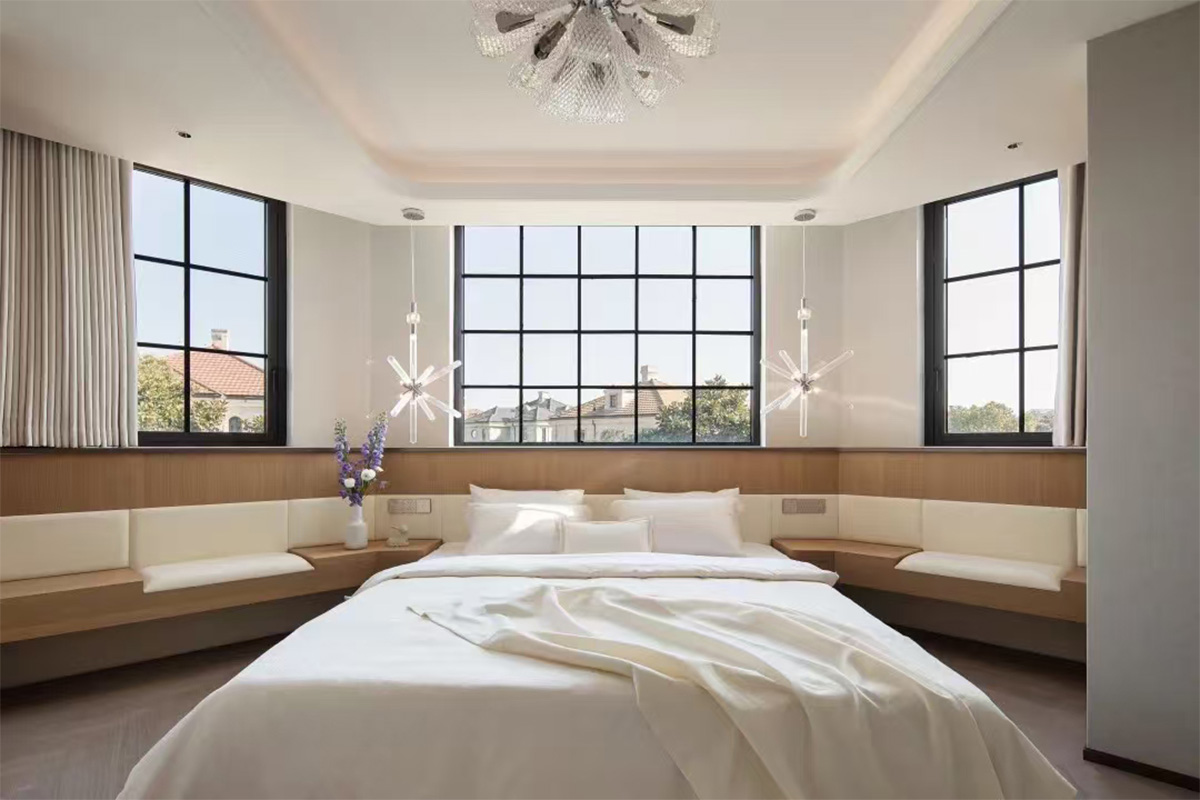
Many homeowners assume that whole house customization and home renovation are the same thing, but they actually serve very different purposes. Understanding the difference early can help you avoid confusion, delays, and unexpected costs.
Traditional interior renovation focuses on the structure of the home. This includes construction work such as wall changes, flooring, ceilings, plumbing, electrical wiring, and waterproofing. Renovation sets the physical foundation of the space but usually stops before furniture and storage solutions are installed.
Whole house customization, on the other hand, focuses on how the home is used and lived in after renovation. It deals with designing and producing all the built-in furniture and storage systems that make daily life functional and comfortable.
What is typically included in whole house customization:
Furniture systems designed for each room
Kitchen cabinets and pantry units
Wardrobes and walk-in closets
Bathroom vanity cabinets
TV walls, bookshelves, and storage walls
Entryway, balcony, and utility cabinets
What is usually not included:
Plumbing and water piping
Electrical wiring and lighting circuits
Structural changes to walls or ceilings
Waterproofing and masonry work
In real projects, whole house customization works alongside renovation, not instead of it. Contractors complete the structural and utility work first, while designers and customization suppliers step in to plan measurements, layouts, and furniture systems. When both teams coordinate well, the result is a home that not only looks complete but also works smoothly in everyday life.
Choosing whole house customization is not just about making your home look better—it’s about making it work better for everyday life. Instead of adjusting your habits to fit standard furniture, customization allows your home to adapt to you.
One of the biggest advantages of whole house customization is how well it uses space. Built-in furniture is designed to fit exact wall sizes, ceiling heights, and corners, so no space is wasted.
Common space-saving solutions include:
Floor-to-ceiling wardrobes with internal organizers
Built-in TV walls with hidden storage
Multifunctional furniture, such as beds with drawers or fold-down desks
Custom cabinets for awkward corners or narrow hallways
| Furniture Type | Standard Furniture | Customized Furniture |
|---|---|---|
| Fit Accuracy | Fixed sizes | Exact-fit to space |
| Storage Use | Limited | Maximized |
| Dead Space | Common | Minimal |
Whole house customization starts with understanding how you live. Designers look at daily routines, family size, work habits, and storage needs before creating layouts.
For example:
Home offices are placed near natural light
Kitchens are designed around cooking habits
Bedrooms include sound control and calming layouts
Entryways are planned for daily storage and easy movement
This kind of planning helps reduce clutter and makes everyday tasks easier.
A well-designed customized home often holds its value better over time. Buyers are attracted to homes with smart storage, durable materials, and a clean, unified design.
Customization can increase resale appeal by:
Using high-quality materials that last longer
Creating practical layouts that suit most families
Making the home feel organized and move-in ready
Even if you don’t plan to sell soon, these benefits add long-term security to your investment.
Whole house customization focuses on function first, then appearance. Storage depth, shelf height, lighting placement, and hardware choice are all designed for daily use.
Examples of functional upgrades include:
Soft-close drawers and doors
Adjustable shelves inside cabinets
Built-in lighting for closets and display units
Easy-to-clean surfaces in high-use areas
These details may seem small, but they make a big difference over time.
Many homeowners choose whole house customization because it supports more sustainable living. Factory production reduces material waste, and eco-friendly materials are easier to control in a system-based process.
Eco-conscious options often include:
Low-VOC boards and finishes
FSC-certified wood materials
Durable designs that reduce replacement needs
Energy-efficient layouts that support natural light and airflow
Sustainable customization not only helps the environment but also creates a healthier living space for your family.
Whole house customization is not a collection of separate furniture pieces—it works as one connected system. Design, manufacturing, and installation are all planned together, which is why customized homes usually feel more organized, balanced, and practical than homes furnished room by room.
At the core of whole house customization is modular design. Furniture systems are built from standardized modules that can be adjusted in width, height, and internal layout. This makes it possible to personalize each space while keeping production efficient and accurate.
Common modular elements include:
Cabinet bodies with adjustable dimensions
Flexible internal storage units (drawers, shelves, hanging zones)
Interchangeable door styles and finishes
Optional functional accessories such as pull-out baskets and organizers
This approach allows designers to create a home that feels fully custom without starting from zero every time.
Another key part of the system is factory-based manufacturing. Instead of building furniture on-site, most whole house customization projects rely on controlled factory production.
| Aspect | Factory Manufacturing | On-Site Carpentry |
|---|---|---|
| Precision | High and consistent | Depends on skill |
| Installation Time | Short | Longer |
| Quality Control | Standardized | Limited |
| Waste | Lower | Higher |
Factory production ensures better quality control, cleaner installation, and more predictable results.
Modern whole house customization uses advanced technology to turn designs into real products with high accuracy.
Key technologies include:
CNC machining for precise cutting and drilling
5-axis cutting for complex shapes and angles
Digital measurement systems to match real site conditions
Because everything is produced with exact data, furniture fits better, installation is faster, and mistakes are greatly reduced.
Materials play a major role in how a whole house customization project looks, feels, and performs over time. The right material choices affect durability, safety, maintenance, and even indoor air quality, so this step is about more than just appearance.
Solid wood is often seen as a premium option, but it is not always the most practical choice for every space. Engineered wood products are widely used in whole house customization because they are more stable and cost-effective.
| Material Type | Key Advantages | Best Use Areas |
|---|---|---|
| Solid Wood | Natural texture, high-end look | Feature furniture, doors |
| Plywood | Strong, moisture-resistant | Kitchen and bathroom cabinets |
| MDF | Smooth surface, easy to finish | Wardrobes, painted cabinets |
| Particle Board | Budget-friendly | Low-load storage areas |
Designers usually mix materials across the home to balance performance and budget.
Surface finishes define the final look of customized furniture and also protect the core material.
Common finish options include:
Lacquer for smooth, modern surfaces
Wood veneer for a natural wood appearance
Laminate for durability and easy cleaning
Melamine for cost-effective, wear-resistant panels
Each finish reacts differently to light, moisture, and daily use, which is why selection depends on where the furniture will be placed.
Hardware is often hidden, but it directly affects how furniture feels in daily use. Quality hardware improves comfort, safety, and lifespan.
Typical hardware components include:
Soft-close hinges and drawer slides
Pull-out baskets and corner systems
Adjustable shelf supports
Lift-up door mechanisms
Good hardware makes cabinets quieter, smoother, and easier to use over many years.
Many homeowners today care about health and sustainability. Whole house customization makes it easier to control material standards across the entire home.
Key environmental factors to look for:
Low-VOC or formaldehyde-free boards
Certified wood sources
Durable materials that reduce replacement needs
Choosing safe, eco-friendly materials helps create a healthier living environment while supporting long-term value.
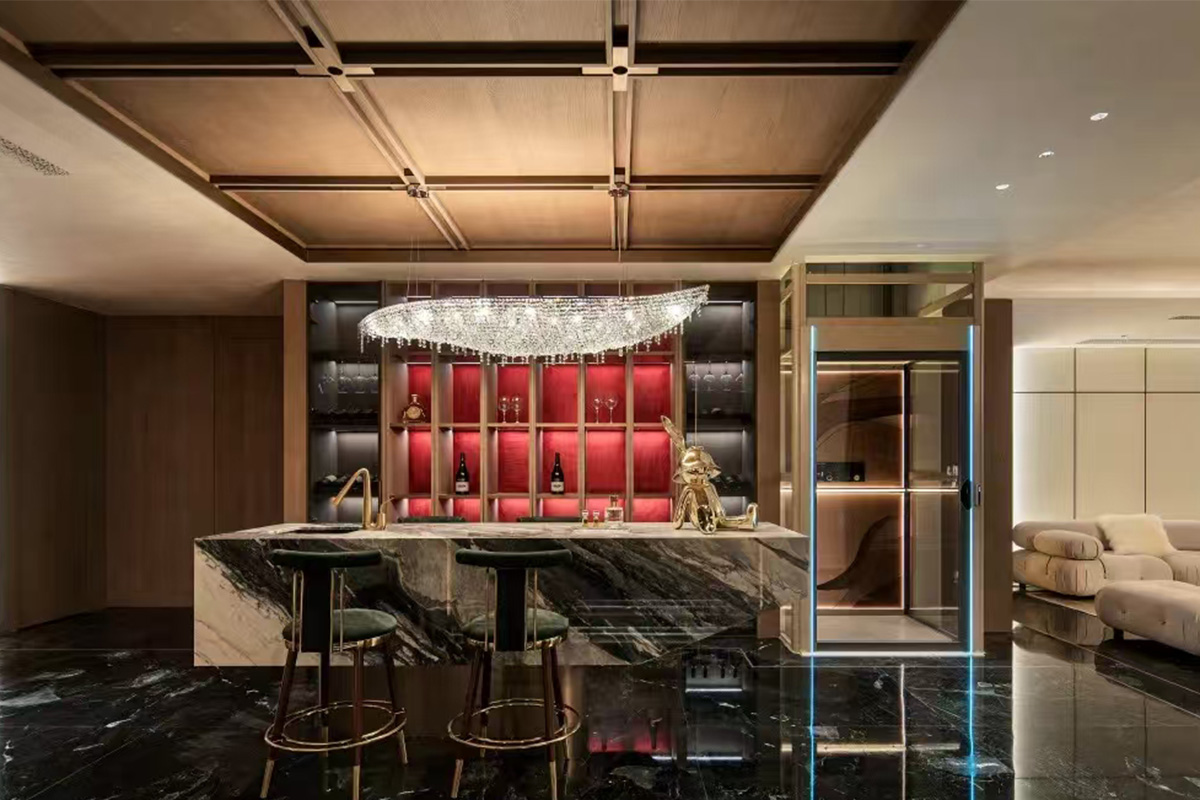
One of the advantages of whole house customization is the ability to keep a clear and consistent style throughout the entire home. Instead of mixing unrelated furniture pieces, customization allows design elements, materials, and colors to flow naturally from room to room.
Modern and minimalist styles focus on clean lines, simple shapes, and clutter-free spaces. Storage is often hidden, and furniture blends smoothly into walls.
Common features include:
Handle-less cabinets and flat panels
Neutral colors like white, gray, and beige
Built-in storage that reduces visual noise
Emphasis on light and open space
This style works especially well for apartments and small homes.
“Quiet luxury” is becoming more popular in whole house customization. It avoids flashy decoration and focuses on quality materials and subtle details.
Key characteristics:
Soft, natural color palettes
High-quality finishes such as wood veneer or stone textures
Simple forms with refined craftsmanship
Furniture that feels elegant but not over-designed
The result is a calm and timeless living environment.
Scandinavian design is known for comfort, simplicity, and warmth. It combines function with a cozy atmosphere.
Typical elements include:
Light wood tones and white walls
Natural light and open layouts
Practical storage with soft visual details
Textiles and finishes that add warmth
This style is popular for family homes and long-term living.
Italian-style customization emphasizes proportion, balance, and refined materials. It often blends modern design with artistic detail.
Design highlights:
Elegant cabinet proportions
High-end finishes such as lacquer or veneer
Attention to detail in edges, lines, and hardware
Strong focus on visual harmony
This style is commonly used in high-end residences and villas.
Classic and traditional styles focus on timeless design rather than trends. They often feature detailed craftsmanship and warm materials.
Common features:
Framed cabinet doors and decorative moldings
Rich wood tones
Symmetrical layouts
A sense of stability and formality
These styles are ideal for homeowners who prefer long-lasting aesthetics.
Many homes today use a mix of styles. Whole house customization makes it easier to combine different influences while keeping the overall look balanced.
Examples include:
Modern layouts with classic materials
Minimalist furniture with warm wood finishes
Contemporary storage paired with traditional details
As long as materials and proportions are consistent, hybrid styles can feel natural and well-organized.
A successful whole house customization project follows a clear and organized process. Each step builds on the previous one, helping homeowners stay in control of design, budget, and timeline while avoiding unnecessary rework.
The process starts by understanding how you live. Designers look at daily routines, family size, storage habits, and long-term plans.
Typical questions at this stage include:
How do you use each room every day?
Where do you feel storage is lacking?
What lifestyle changes do you expect in the future?
Clear goals at the beginning make later decisions much easier.
Once goals are defined, a realistic budget is set. This includes furniture systems, materials, hardware, design fees, and installation.
Good budgeting practices include:
Breaking the budget into categories
Prioritizing high-use areas like kitchens and bedrooms
Setting aside a 10–20% contingency fund
This step helps prevent overspending during later design changes.
Accurate measurement is the foundation of whole house customization. Designers analyze the floor plan and take precise on-site measurements to ensure furniture fits perfectly.
This stage applies the “measure twice, cut once” principle and coordinates with the renovation schedule to avoid conflicts.
Designers then create 3D layouts that show how each space will look and function. Homeowners can review room layouts, cabinet sizes, colors, and finishes before production begins.
At this stage, you will:
Confirm storage layouts
Select materials and surface finishes
Ensure visual consistency across rooms
This step reduces misunderstandings and design regret later on.
After designs are approved, production moves to the factory. Furniture is manufactured using precise machinery and standardized quality checks.
Quality control typically includes:
Material inspection
Dimensional accuracy checks
Finish and hardware testing
Factory production ensures consistency across the entire home.
Once manufacturing is complete, products are delivered and installed on-site. Installation teams follow detailed drawings to assemble each component accurately.
Because parts are pre-made, installation is usually faster and cleaner than traditional carpentry.
The final phase involves a full walkthrough of the completed work. Homeowners check functionality, alignment, finishes, and overall performance.
Any small adjustments are handled at this stage to ensure the customized home is ready for daily use.
Accurate measurement is one of the most important parts of whole house customization, and timing matters just as much as precision. Measuring at the wrong stage can lead to fitting problems, delays, and extra costs, even if the design itself is well planned.
The first measurement is usually done before any renovation work begins. This step helps designers understand the original structure, wall positions, ceiling heights, and overall layout.
At this stage, measurements are used to:
Plan preliminary layouts
Estimate storage capacity
Identify structural limits and opportunities
These early measurements guide the initial design but are not yet final.
Once major renovation work such as tiling, flooring, plumbing, and electrical installation is completed, a second measurement is required. This is a critical step that many homeowners overlook.
Secondary measurements account for:
Changes in wall thickness after tiling
Finished floor height differences
Adjustments around pipes, sockets, and switches
Without this step, customized furniture may not align properly with the finished space.
The final measurement happens just before furniture production begins. At this point, the site conditions are stable and unlikely to change.
This measurement ensures:
Exact fitting of cabinets and wardrobes
Proper alignment with ceilings and walls
Smooth installation without cutting or modification
By following this three-stage measurement process, whole house customization becomes more accurate, efficient, and predictable.
Before starting a whole house customization project, a little preparation can make a big difference. When homeowners know what to prepare in advance, the design process becomes smoother, faster, and more accurate.
The first thing designers need is a clear floor plan. This includes room dimensions, ceiling heights, window positions, and door openings. Even basic drawings are helpful, as long as they reflect the real layout of the home.
Having accurate measurements early helps:
Speed up the initial design stage
Reduce major layout changes later
Improve communication between designers and contractors
Whole house customization is built around how people live. Before design begins, think about who lives in the home and how each space is used.
Important questions to consider:
How many people live in the home now?
Are children growing or parents aging?
Do you work from home or entertain guests often?
These details help designers plan storage, circulation, and room functions more realistically.
Different families need different types of storage. Listing your priorities in advance saves time during design discussions.
Examples include:
Clothing storage vs display storage
Kitchen storage for heavy cooking or light use
Space for books, sports equipment, or seasonal items
Clear priorities prevent over-design in low-use areas.
Collecting visual references makes it easier to explain your preferences. Photos from magazines, websites, or past projects can all help designers understand your style.
You don’t need perfect ideas—just examples of colors, materials, or layouts you like.
Finally, have a realistic budget range in mind. Whole house customization works best when designers know your cost limits from the beginning.
It also helps to:
Set a clear budget range instead of a fixed number
Allow some flexibility for adjustments
Plan a small contingency for upgrades
Good preparation sets a strong foundation for a successful customization project.
Whole house customization works best when each room is designed for its real purpose—while still matching the overall style of the home. Below is a practical, room-by-room guide that shows how customization improves comfort, storage, and daily use in every space.
The kitchen is usually the most functional space in the home, so customization focuses on efficiency and storage.
Common design priorities include:
Cabinets planned around cooking habits
Clear zones for prep, cooking, and cleaning
Pantry systems for dry goods and small appliances
Durable, easy-to-clean surfaces
Customized kitchens reduce clutter and make daily tasks smoother.
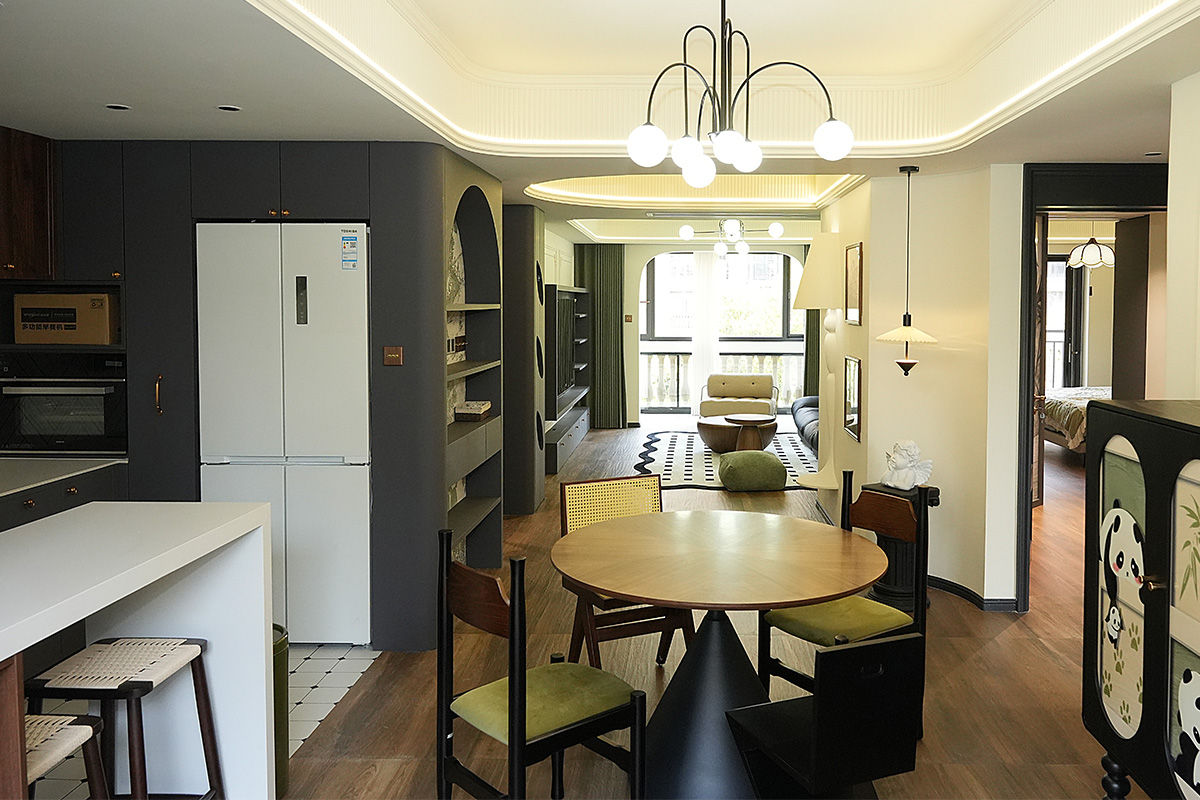
Bedrooms should feel calm, but they also need smart storage. Customization helps balance both.
Typical features include:
Built-in wardrobes or walk-in closets
Adjustable shelves and hanging areas
Integrated bedside storage
Simple layouts that support rest
Closet systems are designed based on clothing types and storage habits, not fixed sizes.
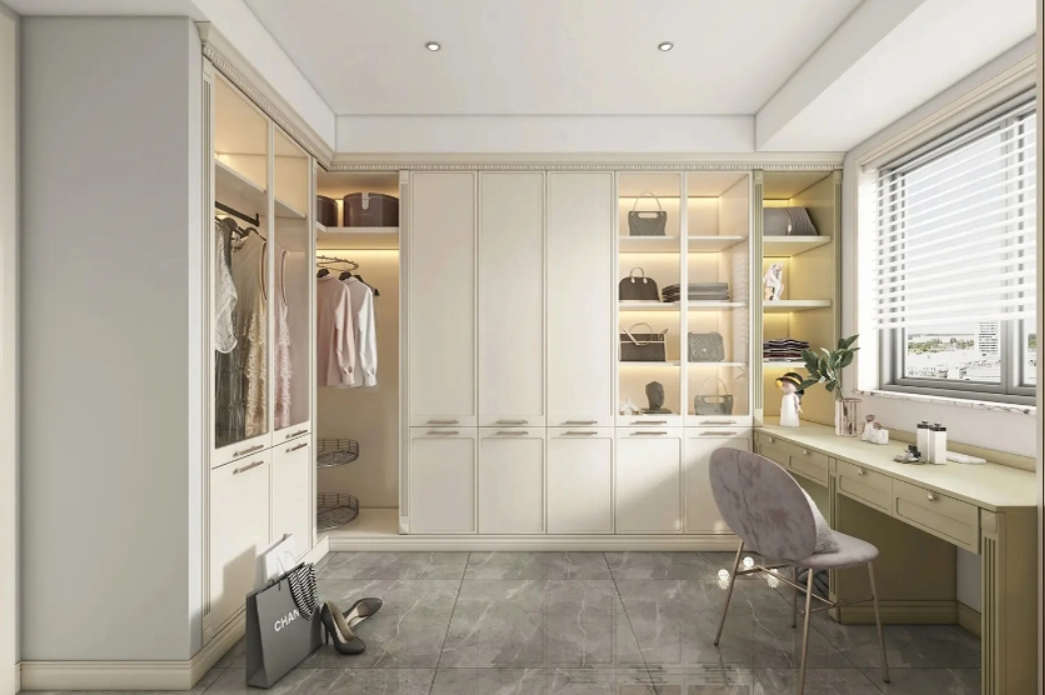
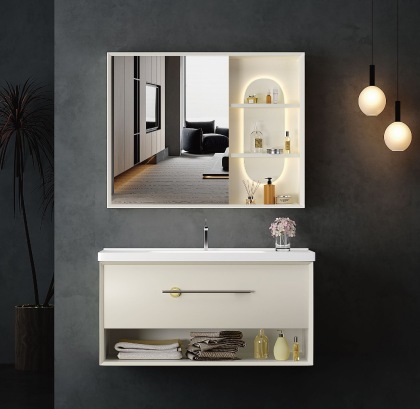
Bathrooms need to handle moisture while staying organized and easy to clean.
Customization usually includes:
Vanity cabinets with waterproof materials
Mirror cabinets for hidden storage
Drawer dividers for daily items
Layouts that reduce water splash and mess
Well-planned bathroom storage keeps surfaces clear and safer to use.
Living rooms often serve multiple purposes, so customization focuses on flexibility.
Key elements include:
TV wall systems with hidden storage
Balanced open and closed cabinets
Space planning for speakers, routers, and screens
Lighting zones for different activities
Technology is integrated quietly so the room stays clean and comfortable.
Customized home offices are designed for long hours of work and focus.
Important considerations:
Desk height and chair positioning
Natural and task lighting placement
Built-in shelving and file storage
Cable management and charging points
Good ergonomics improve comfort and productivity over time.
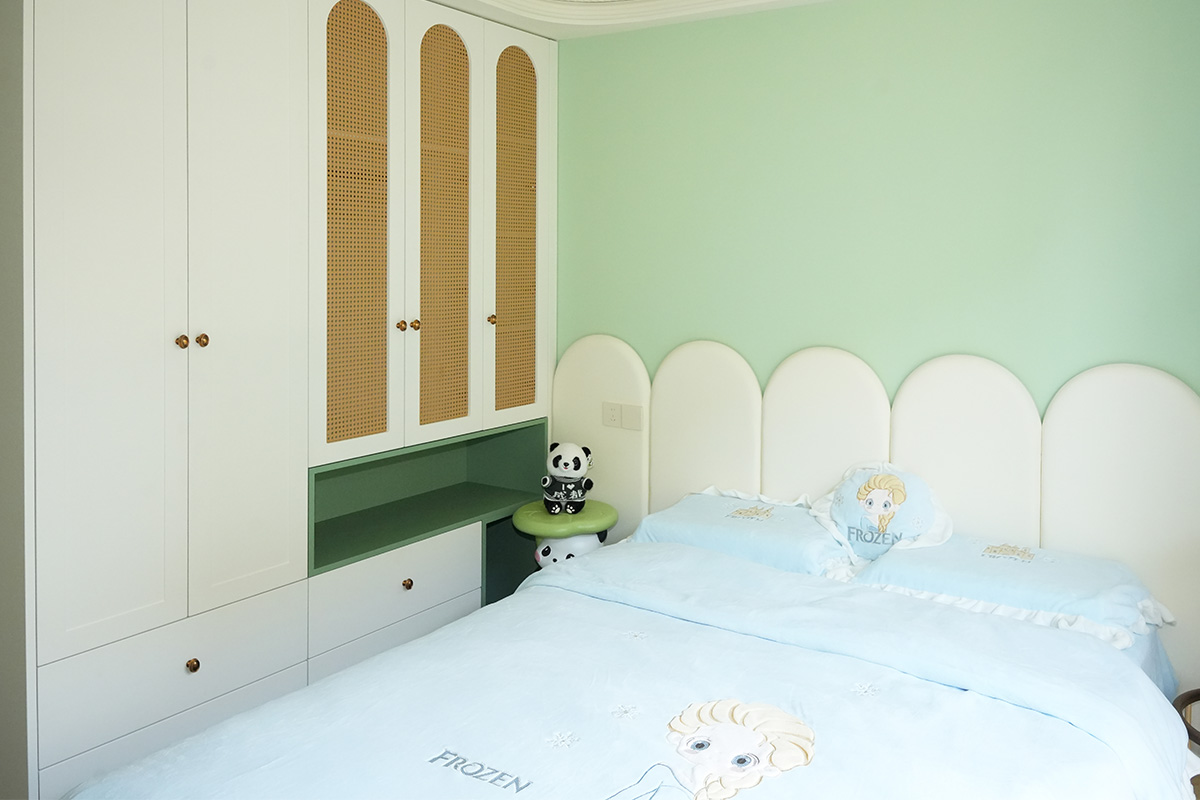
Children’s rooms must be safe now and adaptable later.
Customization often focuses on:
Non-toxic materials
Rounded edges and stable furniture
Adjustable desks, beds, and shelves
Storage that grows with the child
This reduces the need to replace furniture as children grow.
Balconies and utility spaces are small but valuable when customized.
Common solutions include:
Utility cabinets for cleaning supplies
Laundry storage and folding areas
Space-saving layouts for narrow balconies
Customization turns these areas into practical extensions of the home.
The entryway supports daily routines, while study areas support focus.
Design highlights include:
Shoe cabinets and entrance storage
Drop zones for bags and keys
Custom desks and bookcases in study areas
These spaces help keep the home organized from the moment you walk in.
Whole house customization doesn’t have to stop at your front door. Balconies, terraces, and semi-outdoor areas can be designed as functional extensions of your living space, especially in modern homes where every square foot matters.
In many city apartments, the balcony is one of the most underused spaces. With whole house customization, it can become a practical and organized area instead of a storage corner.
Common balcony customization ideas include:
Built-in cabinets for cleaning tools and seasonal items
Slim, wall-mounted storage that saves floor space
Foldable tables or seating for flexible use
Weather-resistant materials designed for sun and moisture
| Balcony Size | Common Problem | Custom Solution |
|---|---|---|
| Small | Limited space | Vertical storage |
| Narrow | Hard to use | Foldable furniture |
| Open | Weather exposure | Durable finishes |
These solutions help urban homeowners get more value from small balconies.
For homes with terraces, gardens, or rooftop areas, customization can create comfortable outdoor living zones. These spaces are often used for relaxing, dining, or entertaining guests.
Typical customization features include:
Outdoor cabinets for storage and serving
Integrated seating with hidden storage
Outdoor kitchens or bar counters
Lighting designed for evening use
Furniture and finishes are chosen to handle outdoor conditions while still matching the home’s overall style.
One of the goals of extending whole house customization outdoors is visual consistency. When indoor and outdoor areas share similar colors, materials, and design lines, the home feels larger and more connected.
Design strategies often include:
Matching cabinet finishes between indoor and balcony areas
Using similar color tones and textures
Aligning door frames and furniture proportions
Keeping storage systems visually simple
This seamless approach helps outdoor and semi-outdoor spaces feel like a natural part of the home, not an afterthought.
Planning a whole house customization project becomes much easier when you understand how costs, time, and management work together. Knowing what to expect helps you stay in control and avoid surprises along the way.
The total cost of whole house customization is made up of several key parts. Each part affects the final budget, so it helps to understand where the money goes.
| Cost Category | What It Covers |
|---|---|
| Materials | Boards, finishes, hardware |
| Manufacturing | Factory production and assembly |
| Installation | On-site fitting and adjustments |
| Fixtures & Appliances | Kitchen and bathroom equipment |
| Design Fees | Layout planning and 3D design |
Most projects also include a 10–20% contingency to cover design changes or upgrades during the process.
Whole house customization takes longer than buying ready-made furniture because everything is made to order. The timeline usually follows a clear sequence.
| Project Stage | Typical Time Range |
|---|---|
| Design & Planning | 2–4 weeks |
| Manufacturing | 6–12 weeks |
| Installation | 4–8 weeks |
| Total Duration | 3–6 months |
The exact timeline depends on home size, design complexity, and how well customization is coordinated with renovation work.
Good project management keeps the process smooth from start to finish.
Key management practices include:
Progress reviews to track design, production, and installation
Change management with clear approval steps for any updates
Quality inspections during and after installation
Staying involved and communicating regularly with designers and installers helps ensure the final result matches your expectations.
Whole house customization is not for everyone, but for the right people, it offers clear and long-lasting benefits. Below are the groups who usually gain the most value from choosing a customized, system-based home solution.
If you plan to live in your home for many years, whole house customization makes strong sense. Instead of changing furniture every few years, customized storage and furniture are designed to last and adapt over time.
Long-term homeowners benefit from:
Durable materials and stable construction
Layouts planned for daily comfort
Fewer replacements and upgrades in the future
Families often struggle with clutter as lifestyles change. Whole house customization helps solve this by planning storage across the entire home.
Typical storage challenges include:
Seasonal clothing and bedding
Children’s toys and school supplies
Kitchen tools and appliances
Customization spreads storage evenly instead of overloading one room.
Some homeowners care deeply about how their home looks and feels. Whole house customization allows them to control colors, materials, proportions, and details throughout the entire space.
This is ideal for people who want:
A consistent design style
Custom finishes instead of standard options
Furniture that blends into the architecture
For developers, whole house customization offers efficiency and consistency. Using one system supplier makes it easier to manage quality and timelines across multiple units.
Common applications include:
Model homes and show units
High-end apartments and villas
Renovation projects for resale
Customization helps projects stand out in competitive markets.
Many overseas buyers choose whole house customization from China because of strong manufacturing capabilities and flexible design options.
Key advantages include:
Factory-direct pricing
Experience with export and overseas projects
Customization that fits local standards and preferences
This approach simplifies sourcing and coordination for international clients.
While whole house customization offers many benefits, it is not the right choice for every situation. Some homeowners may find that simpler or faster solutions fit their needs better.
If a property is mainly used for short-term rentals, such as vacation stays or temporary leasing, whole house customization may not be practical.
Reasons include:
Higher upfront costs compared to standard furniture
Limited time to recover the investment
Frequent tenant changes that increase wear and tear
For short-term rentals, durable ready-made furniture is often more cost-effective.
Whole house customization requires planning, design work, and factory production, which makes it difficult to fit into very tight budgets.
Common challenges include:
Custom materials costing more than basic options
Design and installation fees adding to total cost
Limited flexibility to cut costs once production starts
In these cases, partial customization or modular furniture may be a better option.
Customization takes time. If you need to move in quickly, whole house customization may feel too slow.
Typical limitations:
Design and approval stages take weeks
Manufacturing requires lead time
Installation follows a fixed schedule
People who need immediate solutions often prefer ready-made furniture that can be delivered and installed right away.
Whole house customization has become a popular choice for overseas buyers and property developers who want a complete, well-managed solution instead of sourcing furniture from multiple suppliers. With the right planning and support, international projects can run smoothly from design to installation.
Overseas clients often use whole house customization for projects that require consistency and scale.
Typical project types include:
Private villas and holiday homes
High-end apartments and condominiums
Show units and model homes
Residential development projects
Using one customization system helps keep quality and style consistent across all units.
Most overseas projects are handled through remote collaboration. Designers work with digital tools to share layouts, 3D renderings, and material samples.
Common communication methods include:
Online meetings for design reviews
Digital drawings and 3D models
Photo and video updates during production
Clear communication reduces misunderstandings and keeps the project moving forward.
Export packaging is an important part of whole house customization for overseas delivery. Furniture is packed to protect surfaces and hardware during long-distance shipping.
Key logistics considerations include:
Reinforced packaging for cabinets and panels
Clear labeling for easy installation
Shipping coordination by sea or land
Proper packaging helps ensure products arrive safely and ready for installation.
Because overseas projects may not have the original installation team on-site, technical support plays a critical role.
Support usually includes:
Detailed installation drawings
Step-by-step assembly instructions
Remote technical assistance during installation
After-sales support for adjustments and maintenance
This support allows local teams to install customized furniture correctly, even from a distance.
The whole house customization market is global, with brands from different regions offering distinct strengths. Understanding how these brands differ helps homeowners, developers, and buyers choose solutions that match their design goals, budget, and project scale.
Global brands generally fall into three broad categories based on region and focus.
European high-end system furniture brands
These brands are known for refined design, strong aesthetics, and precise systems.
Emphasis on minimalist and luxury styles
High-quality materials and finishes
Strong design language and proportions
Often higher price points with limited flexibility
They are popular in luxury residences where design is the top priority.
American whole home solution providers
American brands often focus on practicality and lifestyle comfort.
Solutions designed around family living
Flexible layouts and functional storage
Strong focus on kitchens and living spaces
Balanced approach between design and usability
These brands work well for long-term homes and renovation projects.
Asian large-scale customization manufacturers
Asian manufacturers, especially from East Asia, focus on production efficiency and customization.
Factory-based mass customization
Wide material and finish options
Experience with overseas projects
Competitive pricing for large-scale orders
This group is commonly chosen for projects that need both customization and cost control.
Chinese whole house customization brands have become increasingly competitive in the global market, especially for overseas buyers and developers.
| Comparison Area | Chinese Brands | International Brands |
|---|---|---|
| Design Capability | Strong, trend-aware | Often design-led |
| Manufacturing Scale | Very large | Medium to small |
| Customization Flexibility | High | Often limited by systems |
| Cost-Performance | Competitive | Usually higher cost |
Key advantages of Chinese brands include:
The ability to customize sizes, layouts, and finishes freely
Large factories that support stable quality and fast production
Experience working with international standards and logistics
Better value for money on medium to large projects
Because of this balance between flexibility and cost, Chinese whole house customization brands are often chosen for villas, apartments, and development projects worldwide.
Even with a good plan, whole house customization projects can run into problems if certain mistakes are overlooked. Knowing these common issues in advance helps you avoid delays, extra costs, and frustration.
One of the most common mistakes is starting whole house customization too late in the renovation process. When customization is added after construction decisions are already made, layouts may not fit properly.
How to avoid it:
Involve customization designers early
Coordinate timelines with renovation contractors
Confirm measurement stages before production
Early planning keeps everything aligned.
Choosing materials based only on appearance or price can cause long-term issues. Some materials may not perform well in humid areas or high-use spaces.
Common problems include:
Using non-waterproof boards in bathrooms
Choosing low-quality finishes that scratch easily
Ignoring environmental or safety standards
Always match materials to how the space is used.
Designing each room separately often leads to inconsistent colors, styles, and proportions across the home.
How to avoid this:
Set a clear overall style at the beginning
Use consistent materials and color tones
Review the entire home design together, not room by room
A unified plan creates a more balanced living space.
Budget overruns usually happen when changes are made after production starts or when costs are underestimated early on.
Typical causes include:
Mid-project design changes
Upgrading materials without adjusting the budget
Forgetting to include hardware or installation fees
Setting a realistic budget and keeping a contingency fund helps control costs.
A home can look beautiful but still feel uncomfortable if function is ignored. Shallow cabinets, poor lighting, or awkward layouts often result from design-first decisions.
Better planning includes:
Designing storage around real usage
Testing cabinet depth and shelf height
Balancing visual design with daily comfort
Function-first thinking leads to better long-term satisfaction.
A well-planned whole house customization project is designed to last, but long-term performance still depends on proper care and smart planning. With regular maintenance and a little foresight, customized furniture can stay functional and attractive for many years.
Creating a simple maintenance routine helps protect materials and hardware from early wear.
Daily care usually includes:
Wiping surfaces with a soft, dry cloth
Cleaning spills quickly to avoid stains
Avoiding excess moisture on cabinets and panels
Seasonal care may involve:
Checking cabinet hinges and drawer slides
Cleaning hard-to-reach storage areas
Adjusting doors if humidity causes slight movement
Annual care often includes:
Tightening hardware
Inspecting finishes for damage
Scheduling professional checks if needed
These small steps prevent bigger problems later.
One advantage of whole house customization is flexibility. A well-designed system can adapt as your lifestyle changes.
Common adjustments include:
Adding storage as families grow
Reconfiguring children’s rooms as they age
Converting guest rooms into home offices
Updating internal cabinet layouts for new routines
Because the furniture is modular, many changes can be made without replacing everything.
Keeping records may not feel important at first, but it adds long-term value to your customized home.
Important documents to keep include:
Warranty papers for cabinets and hardware
Material specifications and finish details
Design drawings and layout plans
| Document Type | Why It Matters |
|---|---|
| Warranties | Easier repairs and replacements |
| Material Specs | Matching finishes in future |
| Design Drawings | Smooth upgrades or resale |
Good record-keeping makes maintenance easier and supports future renovations or resale.
As whole house customization becomes more popular, many homeowners look beyond basic layouts and storage. Advanced customization focuses on technology, long-term living needs, and smart investment planning.
Whole house customization makes it easier to hide technology while keeping it easy to use. Systems are planned together with furniture, so devices don’t look messy or out of place.
Common smart features include:
Integrated lighting control
Smart climate systems for heating and cooling
Built-in audio and speaker systems
Centralized automation panels
| Smart Feature | Customization Benefit |
|---|---|
| Lighting | Clean wiring, hidden controls |
| Climate | Better comfort and energy use |
| Audio | No visible cables or clutter |
| Automation | Simple, centralized control |
Planning technology early avoids later modifications.
Customization can support comfortable living as people age or when mobility needs change. These designs focus on safety and ease of use without making the home feel clinical.
Key features often include:
Barrier-free walkways and bathrooms
Adjustable cabinet heights
Easy-grip handles and soft-close systems
Non-slip surfaces and better lighting
These choices help people stay independent longer.
When customization is done for investment, the goal is durability and broad appeal rather than personal taste.
Effective strategies include:
Neutral colors and simple styles
Durable, easy-to-clean materials
Flexible layouts that suit many users
Storage designs that appeal to families
ROI-focused customization balances cost, appearance, and long-term value.
A: Renovation is the “construction side” (walls, floors, plumbing, electrical, waterproofing, structural changes). Whole House Customization is the “living system side” (kitchen cabinets, wardrobes, vanities, TV walls, storage systems, built-ins). In real projects, renovation usually happens first, then customization is measured, manufactured, and installed to fit the finished surfaces.
A: Whole House Customization means planning and producing your home’s built-in furniture and storage as one system—kitchen + wardrobes + vanities + TV wall + entry cabinets + balcony/laundry cabinets—so sizes, colors, materials, and functions match across rooms.
A: No. It can be mid-range or high-end. The “luxury” part isn’t required—what matters is the system approach: consistent design, better storage planning, and exact-fit furniture. Budget versions often use modular cabinet bodies + simpler finishes, while luxury versions upgrade surfaces, hardware, and detailing.
A: Yes, but do it selectively:
Use neutral colors and simple styles (broader tenant appeal)
Choose durable finishes (scratch-resistant, easy to clean)
Prioritize storage (tenants love it)
Avoid extremely personal designs and fragile materials.
A: Put trends in easy-to-change items (paint, decor, lighting, textiles). Keep hard-to-replace parts timeless (cabinet shapes, layout, flooring, main wall finishes). A practical rule: if changing it later requires demolition or custom rework, keep it classic.
A: Spend first on what you touch daily:
Kitchen storage + workflow
Bedroom wardrobe/closet system
Entryway storage (clutter control)
Then upgrade finishes/hardware if budget allows. Also keep a 10–20% contingency for changes.
A: It’s a balance guideline: roughly 60% of the room uses a dominant visual theme (main color/material/large pieces), and 40% supports it (secondary tones/textures). It’s less strict than 60-30-10 and helps prevent a room from feeling “too matchy.” (Related color-balance guidance is commonly taught alongside 60-30-10.)
A: Keep 70% of the room consistent (main palette, core furniture style), and use 30% for contrast and personality (accents, textures, decor). It’s a simple way to add interest without chaos.
A: It’s another variation of color distribution: 70% main, 20% secondary, 10% accent. Designers use it when they want a calmer room than 60-30-10 (less secondary color). Use it across your whole home for consistent flow.
A: 60/30/10 is more detailed for color planning: 60% dominant, 30% secondary, 10% accent. It’s great for beginners who want a clear palette.
60/40 is looser and works when you don’t want a strong accent color but still want balance.
A: Use 3 main colors per room (dominant + secondary + accent). This keeps the room coherent. You can repeat the same 3-color family across the home to create whole-house consistency.
A: Usually 2–3 main colors plus small accents. If you go beyond that, keep extra colors in tiny doses (art, pillows) so the space doesn’t feel noisy.
A: It’s a styling tip for accessories: group decor in odd numbers (3, 5, or 7) because it looks more natural and visually pleasing than even numbers. Many designers start with “rule of three.”
A: In practice, people use “2–3” as a simple living room checklist:
2 focal anchors (usually sofa + media wall/fireplace)
3 layers of lighting (ambient + task + accent)
It’s not a formal universal standard, but it’s a helpful way to keep layout and lighting from feeling flat (and it fits whole house customization planning well).
A: Create a “visual triangle” with decor heights/positions (for example: tall plant + medium lamp + small object). Your eyes naturally connect these points, making styling look intentional.
A: The golden ratio (~1.618) is used as a proportion guide—for example, sizing artwork to wall space or choosing rug size relative to seating area. It’s a “nice-to-have” guideline, not a hard rule.
A: Make the home support how you live. A beautiful room that doesn’t function well will frustrate you daily. This lines up with Whole House Customization’s “system-first” approach.
A: Start with the layout (furniture placement and walking paths) before buying decor. If layout is wrong, everything feels wrong—even expensive pieces.
A: A common version is Floor plan, Finishes, Fixtures—plan layout first, then surfaces/materials, then lighting/plumbing fixtures. It’s also mentioned as a consistency tool in interior design guidance.
A: Different schools define this differently, but a practical version is:
Efficiency (space works well)
Ease (comfortable to use)
Enjoyment (looks/feels good)
This matches whole house customization goals: function + flow + lifestyle.
A: Many lists overlap, but the widely taught principles include balance, rhythm, emphasis (focal point), proportion & scale, harmony, contrast, unity. A commonly cited core set includes balance, rhythm, emphasis, proportion/scale, harmony.
A: There’s no single number. A simple approach:
Decorate 1 main focal wall (art, feature wall)
Keep other walls calmer for balance
Too many “loud” walls can feel cluttered.
A: Yes—bare walls can make a room feel calmer and more modern. If the room feels empty, add one focal piece (large art, mirror, or a built-in feature like a customized TV wall).
A: Absolutely, especially in smaller rooms. The key is to keep:
A good viewing distance to TV
Clear walking paths
Proper rug sizing so the seating zone feels anchored
A: The big ones:
Pushing all furniture to the walls (no cozy seating zone)
TV too high or too far
No lighting layers (only one ceiling light)
No storage plan (clutter shows)
Whole house customization helps by building storage into TV walls, side cabinets, and entry zones.
A: Usually it’s not “too many things,” it’s no home for things:
No closed storage
Too many small items on open surfaces
Visible cables and random piles
Customization fixes this with hidden storage, cable management, and clear drop zones.
A: People buy a sofa first, then realize everything else doesn’t fit: rug size wrong, TV distance wrong, walkway blocked. The fix: plan the layout (or 3D design) before buying big pieces.
A: It varies, but many designers don’t:
Do structural engineering work
Act as your general contractor by default
Guarantee contractor workmanship
That’s why whole house customization projects often need coordination between designer, contractor, and customization supplier.
A: Making good decisions early—layout, storage, and lighting—before you get distracted by colors and decor. Whole house customization puts those “hard parts” up front (layout + storage system planning).
A: Yes, there are free/low-cost tools. But for whole house customization, you still need accurate measurements and production-ready drawings. A pretty 3D model without real dimensions often leads to installation problems.
A: Don’t forget:
Storage planning (where daily stuff goes)
Power outlets/charging locations
Lighting layers
Measurement timing (before/after renovation stages)
These align directly with whole house customization workflows.
A: The old “triangle” (sink–stove–fridge) doesn’t fit modern kitchens with islands, double sinks, multiple cooks, or open layouts. Today, designers often plan zones (prep, cook, clean, storage). This is especially common in customized kitchens.
A: Sometimes yes, sometimes no. It depends on scope, size, and location. One remodeling FAQ source says $100,000 can be enough, noting average whole-home remodel starts around $71,000 (varies widely).
For major gut renovations, costs can run much higher (often $100k–$200k+).
A: Real-world ranges vary a lot by style and quality. One estimate gives ~$60,000 to $150,000 for furnishing a 3,000 sq ft house.
Another rule-of-thumb approach estimates about $10–$15 per sq ft to furnish, which would be $30,000–$45,000 for 3,000 sq ft (often a lower/mid-range baseline).
A: It depends heavily on region and build quality. A national guidance source shows 2,000 sq ft can range from $200,000 to $1,000,000 (huge range because labor/material costs vary).
In many high-cost markets, $200k may only cover a small build or shell; in lower-cost areas, it may reach a modest home.
A: Use a “whole-home system”:
Pick a base neutral used everywhere (walls or main cabinetry)
Choose 2–3 supporting tones (wood tone, metal finish, secondary paint)
Assign one accent color per area (easy to change)
Whole house customization makes this easier because materials and cabinet finishes are selected as one set.
A: Spend effort on the 20% decisions that drive 80% of the result:
Layout
Lighting
Main materials (floors/cabinets)
Big furniture
Then decorate later. This fits whole house customization: the system decisions come first.
A: “Red rule” is often used informally: red is powerful, so use it in small doses (art, pillows, a single chair) unless you want a bold statement. If you’re selling or renting, keep red minimal.
Whole house customization is ideal for homeowners who want smart storage, consistent design, and spaces that match real life. It works best as a long-term investment, not a quick fix. Focus on function first, choose a clear style, and set a realistic budget. When planned well, whole house customization creates a home that stays comfortable, practical, and valuable over time.
Download the Whole House Customization Planning Checklist
Book a free consultation with our design experts
Start designing a home that truly fits your lifestyle


