
Views: 0 Author: Site Editor Publish Time: 2025-10-14 Origin: Site
Decorative moldings play a vital role in enhancing the aesthetic appeal of home interiors. From chair rails that protect walls to crown moldings that add elegance where walls meet ceilings, these architectural details not only serve functional purposes but also elevate the overall design of a space. This article explores various types of decorative moldings, including their materials, installation tips, and the unique charm they bring to different rooms in your home. Whether you're looking to add a touch of sophistication or simply improve the functionality of your living spaces, understanding these molding options can help you make informed design choices.
Chair rail molding is a horizontal trim installed on interior walls, usually about 3 to 4 feet above the floor. Originally, it served a practical purpose: protecting walls from damage caused by chair backs bumping against them. Nowadays, it also adds a decorative element by breaking up wall space and enhancing room proportions. Often paired with wainscoting below, chair rails create a classic, elegant look in dining rooms, hallways, and living spaces.
Several materials are common for chair rail molding:
● Wood: Traditional choice, offering durability and a natural appearance. It can be stained or painted to suit the room’s style.
● Medium-Density Fiberboard (MDF): Cost-effective and smooth, MDF is ideal for painted finishes. It’s less expensive but not as moisture-resistant as wood.
● Polyurethane: Lightweight and moisture-resistant, perfect for rooms with higher humidity. It’s easy to install and paint.
● PVC: Another moisture-resistant option, often used in bathrooms or kitchens where water exposure is a concern.
Choosing the right material depends on your budget, room conditions, and desired finish.
Installing chair rail molding requires precise measuring and cutting to ensure a seamless fit around corners and obstacles. Here are some tips:
● Measure wall lengths accurately and mark stud locations.
● Cut molding ends at 45-degree angles for neat corners.
● Use a nail gun or finish nails to secure molding to studs.
● Fill nail holes with wood putty and sand smooth before painting.
● Consider priming MDF or polyurethane before painting for better adhesion.
Costs for chair rail molding typically range from $1 to $2 per linear foot for materials. Installation by a professional can add $3 to $5 per linear foot, depending on complexity and location. Combining chair rail with wainscoting or contrasting paint colors can elevate the room’s style without a significant cost increase.
When installing chair rail molding, always confirm the height aligns with your furniture to maximize wall protection and visual appeal.
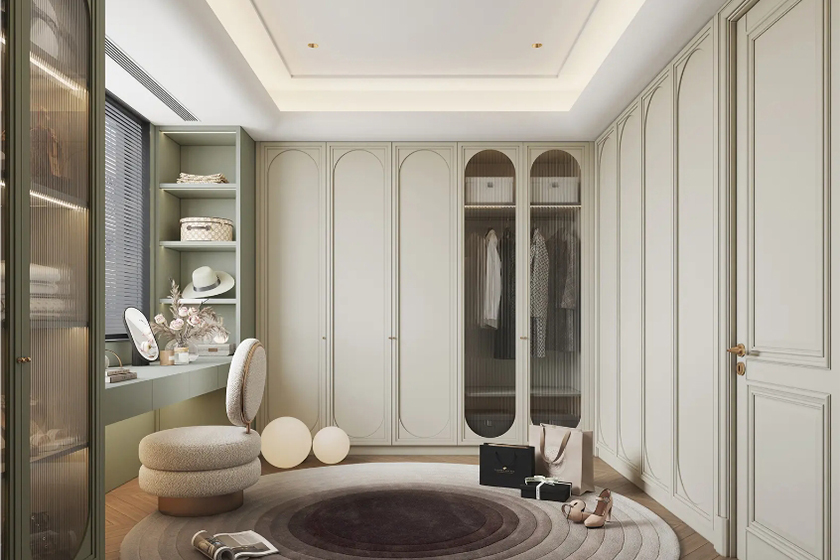
Crown molding is a decorative trim installed where walls meet ceilings. It usually features a curved or angled profile, designed to create a smooth transition between the two surfaces. This molding adds architectural interest and depth, casting shadows that enhance a room’s character. Traditionally, crown molding is crafted from wood, but modern options include MDF, polyurethane, and PVC, offering moisture resistance and easier maintenance.
The size of crown molding varies from subtle, narrow strips to large, elaborate pieces. Its style can range from simple, clean lines suitable for modern homes to intricate designs featuring dentils, egg-and-dart patterns, or floral motifs, perfect for classic or period-style interiors.
Crown molding works well in formal spaces like living rooms, dining rooms, and entryways, where it elevates the room’s elegance. It also fits kitchens, especially above cabinets, to conceal soffits or gaps. Bedrooms benefit from crown molding by adding a finished, cozy feel. Even bathrooms can feature crown molding made from moisture-resistant materials to add a touch of luxury.
Rooms with higher ceilings especially benefit from crown molding, as it draws the eye upward and balances the space. Conversely, in smaller rooms with low ceilings, choosing slimmer profiles prevents the molding from overwhelming the space.
Material choice heavily influences crown molding costs. Wood typically costs $2 to $3 per linear foot, while MDF and polyurethane are often less expensive. Installation by a professional carpenter can range from $8 to $10 per linear foot due to the precision cutting and fitting required, especially around corners and ceiling angles.
Installing crown molding demands skill. It involves cutting pieces at precise angles, usually 45 degrees, to fit corners seamlessly. Using a miter saw and coping techniques ensures smooth joints. For DIY enthusiasts, simpler profiles and pre-primed materials ease the process. Always measure carefully and use a stud finder to secure nails into studs for stability.
Crown molding also requires finishing touches like filling nail holes, sanding joints, and painting or staining. These steps enhance durability and appearance.
When selecting crown molding, consider ceiling height and room size to choose a profile that complements rather than overwhelms the space.
Baseboards are the trim pieces installed where walls meet floors. They serve an important role by covering gaps between the wall and floor, hiding uneven edges or imperfections. Beyond function, baseboards provide a clean, finished look that anchors a room’s design. They help protect walls from scuffs and damage caused by foot traffic, furniture, or cleaning tools.
Baseboards vary in height and style, from simple narrow strips to tall, ornate profiles. Taller baseboards, often 5 to 8 inches high, suit older or traditional homes, adding grandeur and presence. Shorter baseboards fit modern or minimalist designs, offering subtle definition without drawing attention. The choice depends on your room’s style and ceiling height.
Shoe molding, also called quarter-round molding, is a narrow trim installed at the base of baseboards, right where they meet the floor. It covers small gaps that can form over time due to floor expansion, contraction, or uneven surfaces. Shoe molding creates a smooth transition between floor and baseboard, enhancing the overall finish.
This trim is flexible enough to follow curves or irregular floor edges, making it ideal for hardwood, laminate, or tile floors. It can be painted or stained to match either the baseboards or the floor, depending on the look you want. Shoe molding is especially helpful in older homes where floors may shift slightly.
Baseboards and shoe molding come in several materials, each with pros and cons:
● Wood: Traditional, durable, and easy to paint or stain. Wood baseboards offer a classic look but may swell or warp in humid areas.
● Medium-Density Fiberboard (MDF): Cost-effective and smooth for painting. MDF is less resistant to moisture and can swell if exposed to water.
● PVC: Moisture-resistant and durable, ideal for bathrooms, kitchens, or basements. PVC baseboards are easy to clean but may look less natural.
● Polyurethane: Lightweight, moisture-resistant, and easy to install. Polyurethane moldings often come pre-primed for quick painting.
Costs vary depending on material and style. MDF baseboards typically cost about $0.60 to $1.00 per linear foot, while wood or PVC options range from $1.00 to $2.00 per linear foot. Shoe molding usually costs less, around $0.50 to $1.00 per linear foot. Professional installation can add $1.50 to $3.00 per linear foot, depending on room complexity.
Choosing the right combination of baseboard and shoe molding enhances both function and style, creating a polished look while protecting your walls and floors.
When selecting baseboards and shoe molding, consider your flooring type and room humidity to pick materials that resist moisture and maintain their shape over time.
Picture frame wall molding adds instant elegance to any room. It creates the look of framed panels on flat walls, breaking up large surfaces and adding depth. This molding style works well in formal living rooms, dining rooms, and entryways where a refined, classic appearance is desired. Unlike functional moldings like chair rails or baseboards, picture frame molding is purely decorative, designed to enhance architectural interest.
The molding is typically installed in rectangular or square shapes, resembling picture frames. These frames can be arranged in multiple patterns to fill an entire wall or just accent certain areas. This approach adds texture and visual appeal without overwhelming the space. It’s a simple upgrade that transforms plain walls into sophisticated design features.
Several materials are popular for picture frame molding, each offering unique benefits:
● Wood: Traditional and sturdy, wood molding can be stained or painted to match any décor. It provides a warm, natural look but may require sealing in humid areas.
● Medium-Density Fiberboard (MDF): A budget-friendly option that offers a smooth surface ideal for painting. It’s less durable than wood but resists warping in stable indoor environments.
● Polyurethane: Lightweight and moisture-resistant, polyurethane is perfect for rooms prone to humidity, such as bathrooms or kitchens. It’s easy to install and paint.
● PVC: Durable and water-resistant, PVC molding is less common for picture frames but can be used in wet areas or spaces needing extra durability.
Choosing the right material depends on your budget, room conditions, and desired finish. Polyurethane often strikes a good balance between durability and ease of use for decorative molding.
Installing picture frame molding involves measuring, cutting, and arranging molding pieces into the desired frame shapes on the wall. Here are key steps:
● Measure wall dimensions and plan frame sizes for balanced spacing.
● Cut molding pieces with mitered corners (usually 45 degrees) for clean, tight joints.
● Attach molding to the wall using finish nails or adhesive, ensuring it’s level and secure.
● Fill nail holes and seams with wood filler or caulk for a seamless appearance.
● Sand lightly and paint or stain to match your room’s color scheme.
Costs vary based on material and labor. Pre-made molding kits typically range from $8 to $25 per frame, depending on size and material. Professional installation can add $3 to $6 per linear foot. DIY installation reduces labor costs but requires precise measuring and cutting skills.
Picture frame molding is a cost-effective way to add architectural detail and character. It elevates room aesthetics without major renovations.
When planning picture frame molding, consider wall size and ceiling height to choose frame proportions that enhance rather than clutter the space.
Wainscoting is a decorative wall treatment that covers the lower portion of a wall, adding texture, protection, and style. It comes in several popular types:
● Raised Panel: Features panels that are recessed with raised borders. This classic style suits traditional or formal rooms.
● Flat Panel: Smooth, flat panels framed by molding strips. It offers a clean, simple look great for modern or transitional interiors.
● Beadboard: Consists of narrow, vertical planks separated by small grooves or “beads.” It’s casual and charming, perfect for cottages, coastal, or farmhouse styles.
● Board and Batten: Wide boards with narrow battens covering the seams. This style adds a rustic or craftsman feel.
Each type brings a unique character and can be painted or stained to match your design vision.
Beadboard stands out for its versatility and charm. It:
● Adds texture and visual interest without overwhelming the space.
● Protects walls from scuffs and dents, making it practical for high-traffic areas.
● Works well in kitchens, bathrooms, mudrooms, and casual living spaces.
● Can be installed as full-height wall paneling or just on the lower portion beneath a chair rail.
● Is available in wood, MDF, PVC, and polyurethane, allowing options for moisture resistance and budget.
Its narrow grooves create a subtle shadow effect, enhancing depth and warmth in a room.
Installing wainscoting or beadboard requires careful measuring and preparation:
● Wall Prep: Clean and smooth the wall surface. Remove baseboards if necessary.
● Measuring and Cutting: Measure wall height and length accurately. Cut panels or boards to size, ensuring tight seams.
● Attachment: Use nails or adhesive to secure panels to the wall studs. For beadboard, install vertically or horizontally depending on style.
● Trimming: Add top rails, chair rails, or baseboards to frame the wainscoting for a finished look.
● Finishing: Fill nail holes, sand edges, and paint or stain as desired.
Costs vary by material and complexity. Wood panels cost around $5 to $15 per square foot, while MDF and PVC options are more affordable, typically $2 to $6 per square foot. Professional installation adds about $4 to $8 per square foot depending on details and room size.
Beadboard is often less expensive and easier to install than raised panel wainscoting, making it a popular choice for DIY projects.
When installing beadboard in moisture-prone areas like bathrooms, choose PVC or polyurethane materials to prevent warping and mold growth.
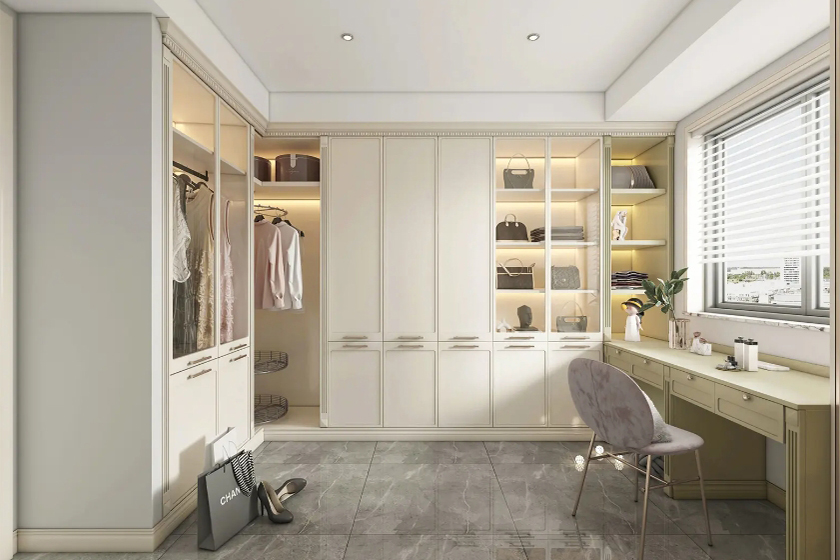
Picture rail molding is a horizontal trim installed high on interior walls, typically about 7 to 9 feet from the floor. Its main purpose is practical: it allows homeowners to hang pictures, mirrors, or artwork without damaging the walls with nails or hooks. Historically, picture rails were common in older homes and apartments where wall preservation was important.
Besides function, picture rail molding adds a subtle decorative element. It creates a visual break near the ceiling and can enhance the room’s proportions. Picture rail molding works well in living rooms, dining rooms, bedrooms, and hallways—spaces where art or photos are often displayed.
Picture rail molding comes in various materials, each suited for different needs:
● Wood: The traditional choice, wood is sturdy and easy to paint or stain. It offers a classic look and can be carved or shaped into detailed profiles. Wood rails are lightweight, reducing stress on walls.
● Plaster: Found in older, historic homes, plaster rails offer intricate designs but are more brittle and harder to install or repair.
● Medium-Density Fiberboard (MDF): A budget-friendly option, MDF is smooth and paintable but less durable in moist areas.
● Polyurethane: Moisture-resistant and lightweight, polyurethane is easy to install and maintain, suitable for modern homes.
● PVC: Also moisture-resistant, PVC rails are ideal for humid rooms like bathrooms or kitchens.
Design profiles vary from simple, flat strips to ornate, multi-layered moldings featuring curves, grooves, or dentil patterns. The style you choose should complement your home’s architectural style and ceiling height.
Installing picture rail molding requires precision to ensure it is level and securely attached. Here are some tips:
● Measure Height Carefully: Mark a consistent height around the room, typically 7 to 9 feet, depending on ceiling height and room size.
● Use a Level: A laser level or spirit level ensures the molding runs perfectly horizontal.
● Locate Wall Studs: Secure the molding into studs with finish nails or screws for stability.
● Cut Corners Accurately: Miter cuts at 45 degrees create neat corners. Coping joints can provide a tighter fit on inside corners.
● Fill and Paint: Fill nail holes with wood putty, sand smooth, then paint or stain to match your decor.
● Consider Hooks or Hangers: Picture rails often include compatible hooks or hanging hardware designed to slide along the rail for flexible picture placement.
Professional installation costs vary but typically range from $3 to $6 per linear foot depending on complexity. DIY installation is possible for those comfortable with measuring and cutting molding.
Picture rail molding is an elegant, functional solution for displaying art without wall damage. It adds architectural interest while preserving wall surfaces.
When installing picture rail molding, always use a laser level to maintain a perfectly straight line around the room for a polished, professional look.
Choosing the right molding for your home involves considering factors like material, style, and room conditions. Decorative moldings, such as chair rails, crown moldings, and wainscoting, enhance your home's aesthetic by adding elegance and architectural interest. Nanjing Silaiwei Home Co., Ltd. offers high-quality molding solutions that provide durability and style, ensuring your interiors look refined and protected. Their products deliver exceptional value, combining functionality with beauty, making them an ideal choice for homeowners seeking to elevate their living spaces.
A: Chair rail molding is a horizontal trim installed on walls to protect them from damage by furniture like wooden furniture. It also adds decorative appeal, enhancing room proportions.
A: Crown molding decorates where walls meet ceilings, adding depth and elegance. Chair rail molding protects walls from wooden furniture and divides wall space for visual interest.
A: Polyurethane and PVC are ideal for picture frame molding in humid areas, offering durability and easy maintenance, complementing wooden furniture.
A: Beadboard adds charm and texture, protecting walls from scuffs, and complements wooden furniture in casual spaces like kitchens or mudrooms.


