
Views: 0 Author: Site Editor Publish Time: 2025-10-16 Origin: Site
As interior design continues to evolve, the choice of interior doors plays a crucial role in enhancing the overall aesthetic of a home. In 2024, trends are shifting toward doors that not only serve a functional purpose but also contribute to the style and ambiance of living spaces. From sleek modern designs to rustic reclaimed wood options, the variety of materials, colors, and finishes available today allows homeowners to make bold statements while maintaining a cohesive look. Understanding the latest trends in interior doors can help you make informed decisions that reflect your personal style and elevate your home's interior.
Choosing high-quality interior doors goes beyond mere functionality. They play a vital role in elevating your home's design, improving daily use, controlling noise, and offering long-term value.
High-quality doors add character and style to your home. They serve as focal points or subtle complements to your interior design. Whether you prefer minimalist, classic panel, or French doors, premium materials and craftsmanship ensure a refined appearance that enhances any room. These doors often feature precise finishes and detailing, creating a polished look that mass-produced, lower-quality doors cannot match.
Well-made doors operate smoothly and reliably. They open and close without sticking or squeaking, offering ease of use. Quality hinges, hardware, and construction contribute to consistent performance. This reliability is especially important in high-traffic areas such as kitchens, living rooms, and bedrooms. Moreover, good doors fit properly within their frames, preventing drafts and ensuring privacy.
Soundproofing is a key benefit of investing in solid, well-constructed doors. Solid core doors, for example, reduce noise transmission between rooms, making them ideal for bedrooms, home offices, or media rooms. This feature enhances comfort and privacy, especially in busy households or multi-use spaces. Hollow core or poorly fitted doors lack this sound control, which can lead to distractions and reduced tranquility.
High-quality doors offer durability that saves money over time. They resist warping, cracking, and damage better than cheaper alternatives. This reduces the need for repairs or replacements. Additionally, premium doors retain their appearance longer, maintaining your home's value. Investing upfront in quality can prevent costly maintenance and improve resale appeal.
When selecting interior doors, prioritize solid core or stile and rail designs for superior noise control and lasting durability.
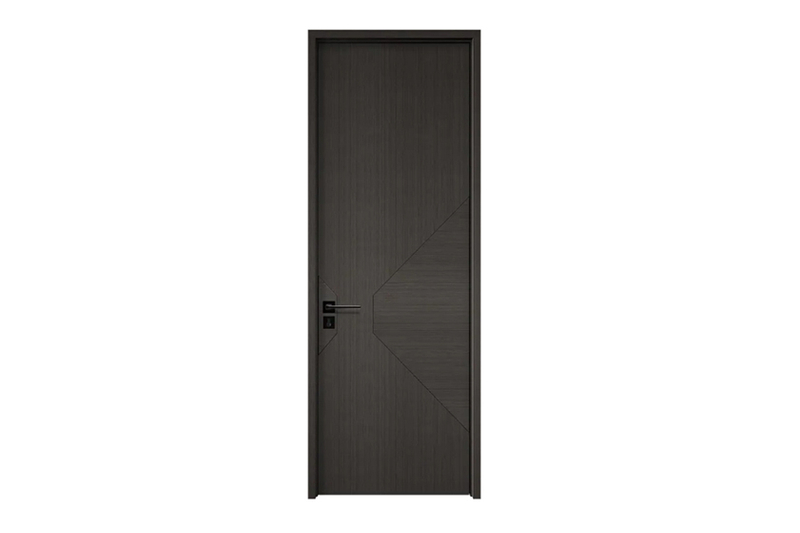
Minimalist interior doors focus on simplicity and clean lines. They often feature flat panels or smooth surfaces without excessive ornamentation. This style embraces a "less is more" philosophy, avoiding intricate moldings or raised panels. The design highlights natural materials or neutral colors, creating an uncluttered, sleek appearance. Minimalist doors usually come in solid colors like white, gray, or soft earth tones, but can also appear in subtle wood grains.
Key features include:
● Straight, unembellished edges
● Lack of complex patterns or carvings
● Smooth finishes, often matte or satin
● Streamlined hardware, such as simple handles or hidden hinges
This design approach suits homeowners who prefer a calm, organized environment and want their doors to blend seamlessly into the overall interior.
Minimalist doors perfectly complement contemporary interiors. Modern homes often emphasize open spaces, natural light, and functional furniture, so doors should not distract from these elements. Minimalist doors enhance this aesthetic by maintaining visual continuity and promoting a sense of flow between rooms.
These doors pair well with:
● Neutral color palettes and monochromatic schemes
● Modern furniture featuring clean lines and minimal decoration
● Spaces designed for openness and airiness
● Materials like glass, metal, and wood used sparingly for texture
Incorporating minimalist doors allows rooms to feel larger and less cluttered. They also provide a subtle backdrop for other design features, such as artwork or statement lighting.
For example, a flush white door with a matte finish and a slim, brushed nickel handle complements a living room with sleek furniture and large windows. It doesn’t compete for attention but supports the overall modern vibe.
When choosing minimalist interior doors, select hardware that is equally simple and unobtrusive to maintain the clean, modern look.
Natural materials remain a top choice for interior doors, offering authenticity and timeless appeal. Wood is the most popular natural material, available in various species such as oak, maple, walnut, cherry, and pine. Each type has unique grain patterns and colors, allowing homeowners to select doors that match their style—from rustic to modern.
Besides solid wood, engineered wood products like veneered doors combine natural wood surfaces with durable cores. These offer the beauty of real wood while improving stability and resistance to warping.
Other natural materials include bamboo, prized for its sustainability and distinctive look, and reclaimed wood, which adds character and environmental benefits. Occasionally, natural stone or cork accents appear in custom door designs, introducing texture and uniqueness.
Natural materials bring warmth and texture that synthetic options often lack. The grain and knots in wood create visual interest, making each door a subtle work of art. Warm wood tones can soften modern interiors or enhance cozy, traditional spaces.
Texture plays a big role too. Smooth finishes highlight wood’s natural beauty, while distressed or hand-scraped surfaces add rustic charm. Natural finishes, like oils or waxes, preserve the material’s character and avoid the plastic feel of heavy paints.
Using natural materials also connects interiors to nature, fostering a calming, inviting atmosphere. This connection appeals to many homeowners seeking comfort and authenticity in their living spaces.
For example, a solid oak door with a matte finish and visible grain can complement a minimalist room by adding subtle warmth without overpowering the clean lines. Or, a reclaimed pine door with rough texture might be perfect for a farmhouse-style kitchen, reinforcing the theme of natural, lived-in beauty.
When selecting natural material doors, consider finishes that enhance texture and protect the wood without masking its natural character.
Bold colors are making a strong statement in interior door design. Homeowners are moving beyond traditional neutrals and embracing vibrant, eye-catching hues. Deep greens like emerald or forest, rich blues such as navy or cobalt, and even jewel tones like burgundy or mustard yellow are popular choices. These colors add personality and depth to spaces, often becoming focal points in rooms.
Dark greens create a calming yet dramatic effect, pairing well with natural materials and metallic accents. Navy blue doors offer a sophisticated, timeless look that contrasts beautifully against light walls. Burgundy or deep reds bring warmth and richness, perfect for cozy, traditional interiors or eclectic spaces. Mustard yellow adds a cheerful pop, brightening entryways or hallways.
Matte and satin finishes are favored for bold doors, providing a modern, elegant feel without overwhelming shine. Glossy finishes can work but tend to suit more daring, contemporary designs.
Using bold colors on interior doors transforms them from functional elements into design highlights. They can define a room’s style or create visual interest in transitional spaces like hallways or closets. Bold doors can anchor a minimalist room by adding color without clutter or complement eclectic interiors by reinforcing a playful, artistic vibe.
Consider pairing bold-colored doors with simple hardware and trim to avoid competing details. Neutral walls and furnishings help the door stand out without clashing. For example, a navy door with brushed nickel handles looks fresh in a white or gray room. A forest green door paired with brass hardware adds luxury to a warm, wood-toned space.
Bold colors also work well in multi-door layouts when balanced carefully. Using the same bold color on all doors in a space creates cohesion and drama. Alternatively, painting one door boldly while keeping others neutral can highlight a specific room or feature.
In commercial or office settings, bold-colored doors can reinforce branding or create memorable environments. For residential spaces, they offer a simple upgrade that adds personality and style without costly renovations.
When selecting bold colors for interior doors, test samples in your space under different lighting to ensure the color complements your room’s palette and mood.
French doors have made a stylish return in interior design, thanks to their timeless elegance and functionality. Characterized by multiple glass panes separated by muntins, these doors create a delicate grid pattern that adds visual interest. They usually come in pairs, swinging open to connect rooms or open onto patios, but single versions also exist.
Key features include:
● Large glass panels that can be clear, frosted, or patterned
● Wooden or metal frames, often painted or stained
● Divided light design enhancing classic charm
● Versatile sizes and configurations, including double doors and single doors
● Option for sliding or hinged mechanisms depending on space
These doors often blend traditional craftsmanship with modern materials, offering durability alongside beauty. They can be customized with different glass types for privacy or decorative effects, making them adaptable to various interior needs.
One of the biggest advantages of French doors is their ability to flood interiors with natural light. The expansive glass panels allow sunlight to pass through, brightening rooms and creating an open, airy feel. This natural illumination can reduce the need for artificial lighting during the day, promoting energy savings.
Natural light also improves mood and enhances the perception of space, making rooms feel larger and more inviting. French doors work especially well in areas like home offices, dining rooms, and living rooms, where light and openness are desirable.
Additionally, the transparency of French doors maintains visual connectivity between spaces, fostering a sense of flow without sacrificing privacy when frosted or textured glass is used. This balance of light and separation suits both modern and traditional interiors.
For example, installing French doors between a kitchen and dining room allows light to travel freely while keeping cooking smells contained. Or, placing them as closet doors adds sophistication without darkening the room.
When choosing French doors, consider glass options that balance privacy and light, such as frosted or textured styles, to maximize natural illumination without compromising comfort.
Black interior doors are far from being out of style. In fact, they continue to hold a strong presence in modern home design. Their deep, rich tone brings a sense of elegance and sophistication that few other colors can match. Black doors create a striking visual impact, serving as a bold statement without overwhelming the space.
This timeless appeal means black doors work well across different design styles—from traditional to contemporary. They add depth and a touch of drama, making rooms feel more grounded and polished. Unlike trendy colors that may fade from popularity, black retains a classic quality that keeps it relevant year after year.
For example, a matte black door with minimalist hardware can elevate a modern, minimalist home, while a black paneled door with classic molding complements traditional or transitional interiors beautifully.
One of black doors' biggest advantages is their versatility. They pair well with almost any color palette or material, allowing designers and homeowners to experiment freely. Black doors create strong contrast, especially in lighter rooms, highlighting architectural features and adding dimension.
They can accentuate white walls, light wood floors, or neutral furnishings, making the entire room feel more dynamic. Black also complements bold colors and natural materials, such as wood or stone, blending seamlessly into eclectic or rustic designs.
Additionally, black doors work well in both small and large spaces. In smaller rooms, they add depth and a sense of enclosure without feeling heavy if balanced with adequate lighting and lighter décor.
In commercial or office settings, black doors convey professionalism and modernity. They often serve as a neutral backdrop that enhances branding elements or artwork.
When choosing black interior doors, consider finishes like matte or satin to avoid glare and maintain a sophisticated, modern look that fits various interiors.
When mixing interior door styles, maintaining color consistency is key. Using the same color across all doors creates a cohesive look, even if the styles differ. This approach helps unify diverse designs and prevents visual clutter. Whether you choose white, black, or a bold hue, consistent color ties everything together. For example, pairing a classic paneled door and a minimalist flush door both painted in matte white keeps the space harmonious.
Choosing door styles that complement each other enhances the overall design. Look for shared elements like similar panel shapes, hardware finishes, or textures. Mixing a shaker-style door with a simple French door works well if they share color and hardware tones. Avoid combining styles that clash—like ornate Victorian doors with ultra-modern flush doors—unless you intentionally want an eclectic look. The goal is to create visual balance, where styles feel intentional rather than random.
Different door styles serve different functions, so consider how each will be used. For example, sliding barn doors save space and add rustic charm, but may not provide the same soundproofing as solid core panel doors. French doors bring natural light but might not offer full privacy in bedrooms. Ensure each door style fits its purpose and room needs. Mixing styles should not compromise comfort or usability.
Beyond color, unify mixed door styles through consistent height, trim, and hardware. Matching door heights prevent awkward transitions between rooms. Using the same molding or casing style frames each door similarly, creating flow. Hardware – knobs, handles, hinges – in matching finishes further ties doors together. Even if the door panels differ, these details create a polished, intentional look.
For instance, in a home blending modern and traditional spaces, you might use minimalist doors in living areas and classic panel doors in bedrooms, all painted a soft gray and fitted with brushed nickel hardware. The consistent color and hardware unify the styles, while functional needs and aesthetics vary room to room.
When mixing interior door styles, keep paint color, hardware finish, and trim consistent to create a cohesive, balanced look across your home.
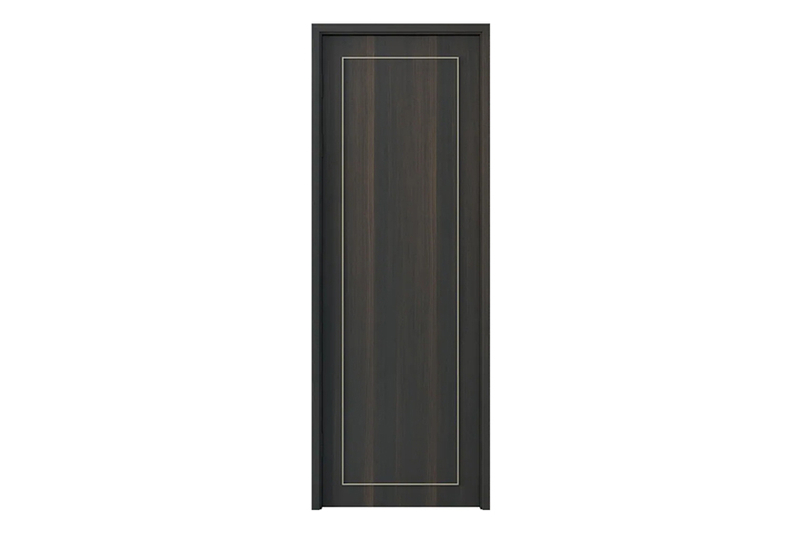
Quality is the foundation of a great interior door. High-quality doors offer better durability, functionality, and aesthetics. They resist warping, cracking, and damage over time. When you choose doors from reputable brands, you get consistent craftsmanship and reliable materials. This means doors will open smoothly, fit well in their frames, and maintain their appearance for years. Solid core doors or stile and rail designs often represent higher quality, providing excellent sound insulation and a premium look. Investing in quality upfront saves money on repairs and replacements later.
Material affects a door’s look, feel, and performance. Common options include:
● Solid Wood: Offers natural beauty, warmth, and durability. Species like oak, maple, and cherry provide unique grains and colors. Solid wood doors are sturdy but can be prone to expansion or contraction if not properly finished.
● Engineered Wood: Combines wood veneers with stable cores to resist warping. It balances natural aesthetics with improved durability.
● Molded Composite: Lightweight and affordable, these doors have a hollow core with a molded exterior. They work well for low-traffic areas but offer less soundproofing.
● Glass Panels: Often used in French or modern doors, glass adds light and openness. Options like frosted or textured glass provide privacy while maintaining brightness.
Choosing the right material depends on your style, budget, and functional needs. For example, bedrooms benefit from solid core doors for noise control, while hallways might use molded composite doors to save costs.
Even the best door won’t perform well if poorly installed. Proper installation ensures the door fits perfectly, swings smoothly, and seals tightly. This prevents drafts, noise leaks, and wear on hinges and hardware. Hiring experienced professionals or companies offering door hanging services guarantees precise alignment and operation. They can also handle trim and casing installation, creating a polished finish. Poor installation can lead to gaps, sticking doors, or uneven gaps, compromising your investment.
For example, a solid wood door installed without proper shimming might warp or fail to close fully. Conversely, expert installation prolongs door life and improves daily use.
Always pair high-quality doors with professional installation services to ensure optimal performance, durability, and appearance in your home.
Interior doors are evolving with trends like minimalist designs, natural materials, bold colors, and classic French styles. Choosing high-quality doors ensures durability, functionality, and aesthetic appeal. Nanjing Silaiwei Home Co., Ltd. offers premium doors that enhance your home's design and value. Their products provide superior craftsmanship and long-term savings, making them a wise investment. For those considering an upgrade, explore these trends and select doors that align with your style and needs.
A: High-quality interior doors elevate design, improve functionality, control noise, and offer long-term savings due to their durability and refined appearance.
A: Minimalist interior doors feature clean lines and simple designs, enhancing contemporary interiors by maintaining visual continuity and promoting a sense of flow.
A: Natural materials like wood bring warmth, texture, and authenticity to interiors, creating a calming atmosphere and connecting spaces to nature.
A: French doors are favored for their elegance and ability to flood interiors with natural light, enhancing openness and visual connectivity between spaces.


