
Views: 0 Author: Site Editor Publish Time: 2025-10-14 Origin: Site
Interior trim plays a crucial role in defining the aesthetic and functionality of a space. From classic wood to modern MDF, the choice of trim materials can significantly impact the overall look and feel of your home. This article explores the various styles and materials available for interior trim, highlighting their pros and cons, and offering insights on how to select the right options to enhance your living environment. Whether you prefer the warmth of traditional wood or the sleekness of contemporary designs, understanding these elements will help you make informed decisions that reflect your personal style and meet your practical needs.
Wood remains a top choice for interior trim due to its natural beauty and versatility. It offers an authentic woodgrain appearance that can be stained or painted to match any décor. Different species provide unique benefits: poplar, for example, is dense, durable, and paints smoothly, making it ideal for trim work.
However, wood has its downsides. It can rot if exposed to moisture over time, which limits its use in damp areas. Installation can be tricky since wood is rigid and prone to splitting when nailed, requiring careful handling.
MDF (medium-density fiberboard) is made from compressed wood fibers and resin. It’s the most commonly used trim material today, mainly because it is budget-friendly and easy to work with. MDF has a smooth surface that machines well into various profiles, perfect for painting. It also resists splitting during installation, which helps reduce damage.
On the downside, MDF is sensitive to moisture, which can cause warping or bubbling if not properly sealed. It lacks the natural woodgrain look, so it doesn’t stain well and is best suited for painted finishes.
Finger-joint primed pine combines affordability with many advantages of solid wood. Made by joining small wood pieces, it’s less prone to twisting or warping. It’s lightweight and easy to install, with visible grain patterns that add charm once painted or stained.
Still, it’s softer than some hardwoods, making it vulnerable to dents and marks. While cheaper than solid wood, it usually costs more than MDF, so it’s a middle-ground option for those wanting wood’s look without the high price.
Material | Pros | Cons | Best Uses |
Wood | Authentic grain, durable, stain or paint options | Prone to moisture damage, can split during install | High-end finishes, visible grain |
MDF | Inexpensive, smooth, easy to paint, no splitting | Sensitive to moisture, no woodgrain, not stainable | Painted trim, budget projects |
Finger-Joint Primed Pine | Affordable, stable, lightweight, visible grain | Softer, can dent, pricier than MDF | Mid-range trim, painted or stained |
Each material suits different needs. Wood fits traditional, high-end designs. MDF works well in painted, budget-conscious projects. Finger-joint pine offers a balance of cost and appearance.
When selecting trim materials for your project, consider moisture exposure and finish preferences to ensure durability and the look you want.

Baseboards remain a staple in interior trim design. They cover the gap between the wall and floor, protecting walls from kicks, scuffs, and furniture damage. Their simple lines add a finished look to any room. Baseboards come in a range of heights and profiles, from plain flat boards to more intricate designs. Choosing a taller baseboard can make ceilings feel higher, adding grandeur to the space. Painted wood baseboards offer a clean, crisp edge, while stained wood brings warmth and richness.
Crown molding is the trim that sits where walls meet ceilings. It instantly elevates a room’s style, adding depth and architectural interest. This trim style often features curves, stepped layers, or intricate patterns. Crown molding works well in formal living rooms, dining rooms, or master bedrooms. It can be painted white for a classic look or stained for a more traditional feel. The right crown molding profile complements the home’s overall style, from modern minimalism to Victorian grandeur.
Chair rail trim runs horizontally along walls, typically about 32 to 36 inches above the floor. Originally designed to protect walls from chair backs, it now serves both practical and decorative purposes. Chair rails break up large wall surfaces, allowing different paint colors or wallpaper patterns above and below the trim. This adds visual interest and dimension to rooms like dining areas, halls, or offices. Wood chair rails can be simple or ornate, depending on the style desired.
Quarter-round trim is a small, curved molding installed where baseboards meet floors or cabinetry meets walls. This subtle detail hides gaps, uneven edges, or expansion space left for flooring. It adds a polished, finished look to rooms without drawing too much attention. Quarter-round is usually made from wood or MDF and painted to match baseboards. It’s an inexpensive way to elevate the overall trim package in any home.
Wainscoting is a decorative wall paneling style that covers the lower portion of walls, often topped by a chair rail. It adds texture, pattern, and a sense of craftsmanship to rooms. Wainscoting styles range from simple flat panels to raised or beveled designs. This trim style works well in entryways, dining rooms, and bathrooms, creating a striking focal point. Wood is the preferred material, painted or stained to complement other trim elements. Wainscoting also protects walls from wear and tear in high-traffic areas.
When selecting wooden trim styles, consider the room’s function and style—classic baseboards suit most spaces, while crown molding and wainscoting add elegance and character to formal rooms.
When selecting interior trim, think about your home's style first. Trim should complement your décor—modern spaces call for sleek, simple lines, while traditional homes suit ornate profiles. Function matters, too. For example, chair rails protect walls from furniture, while baseboards guard against scuffs from shoes or vacuum cleaners. Budget plays a big role as well. Wood trim offers durability and beauty but costs more. MDF is budget-friendly but less moisture-resistant. Finger-joint primed pine falls in between. Decide which factors matter most to you before choosing materials and styles.
Trim styles influence your home's resale appeal. Well-chosen trim can add character and make rooms feel finished and inviting. Classic trim styles like crown molding and wainscoting often attract buyers because they convey craftsmanship and quality. Conversely, outdated or overly trendy trim might turn buyers off. Simple, clean profiles tend to have broad appeal and can fit many design tastes. Remember, trim is a small detail but helps create a lasting impression, potentially boosting your home's value.
● Match trim style to room purpose: Use elegant crown molding in formal rooms and simple baseboards in casual areas.
● Consider moisture exposure: Avoid wood trim in bathrooms or basements unless properly sealed; MDF or PVC may be better.
● Think about maintenance: Wood needs occasional refinishing; MDF is easier to repaint but can swell if wet.
● Plan for installation: Some materials are easier to install yourself; others may require pros.
● Balance cost and longevity: Invest more in visible, high-traffic areas, and save on less noticeable spots.
● Visualize the final look: Use sample pieces or digital tools to see how trim complements your walls, floors, and furnishings.
Choosing the right trim means balancing aesthetics, durability, and cost to fit your home's style and your lifestyle.
Always measure your rooms and test trim samples in natural light before buying to ensure the style and color enhance your space perfectly.
Installing interior trim can be a rewarding project, but it requires precision. DIY installation suits those comfortable with measuring, cutting, and using tools like miter saws and nail guns. Simple trims such as baseboards or quarter-rounds are easier for beginners. However, complex trims like crown molding or wainscoting often need professional skills to ensure tight joints and smooth finishes.
Professionals bring experience, proper tools, and speed. They handle tricky angles, uneven walls, and finishing work like caulking and painting. Hiring pros reduces mistakes, saving time and money long term. For large projects or high-end materials, professional installation is often the best choice.
Trim materials differ in how you care for them:
● Wood: Dust regularly and clean with a damp cloth. Avoid harsh chemicals that damage finishes. Refinish or repaint every few years to protect from wear and moisture. Watch for signs of rot or insect damage, especially in damp areas.
● MDF: Wipe dust with a dry or slightly damp cloth. Avoid excessive water exposure to prevent swelling. Touch up paint chips quickly to keep moisture out. MDF generally needs repainting rather than sanding or refinishing.
● Finger-Joint Primed Pine: Similar care to wood. Keep clean and dry. Repair dents or scratches by sanding lightly and repainting or staining. Because it’s softer, avoid heavy impacts.
Regular inspection helps catch issues early. Check caulking and joints and reseal if gaps appear. Proper maintenance extends trim life and keeps it looking fresh.
Common interior trim problems include:
● Gaps or Cracks: Caused by wood shrinking or house settling. Use paintable caulk to fill small gaps. For larger issues, re-nail or replace damaged pieces.
● Moisture Damage: Swelling, warping, or rot often occur in bathrooms or basements. Ensure proper sealing and ventilation. Replace damaged trim promptly to prevent mold.
● Nail Pops: Nails may loosen and pop out, leaving visible bumps. Remove popped nails and replace with finishing nails or use trim screws. Fill holes with wood filler and repaint.
● Paint Peeling or Chipping: Often from poor surface prep or moisture. Sand and prime before repainting. Use high-quality paint designed for trim.
● Uneven Cuts or Poor Fit: Common in DIY projects. Use a miter box or power saw with a guide for accurate cuts. Test fit pieces before nailing.
Addressing these issues early keeps trim attractive and functional.
For best results, always acclimate wood or MDF trim to your home's humidity before installation to minimize warping or shrinking after fitting.
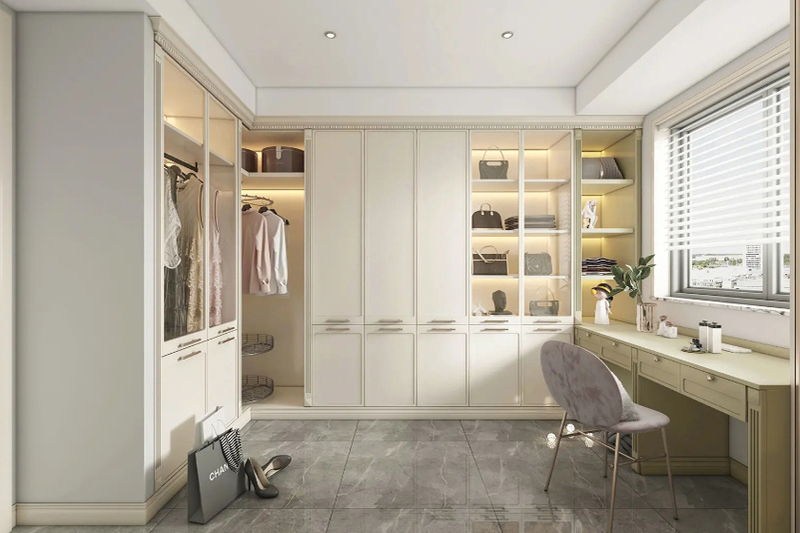
Interior trim styles have evolved, reflecting changing tastes and architectural trends. Traditional trim often features ornate details, layered profiles, and classic shapes like crown molding or wainscoting. It adds warmth and a sense of craftsmanship to spaces, fitting well in historic or formal homes.
Modern trim, by contrast, favors simplicity and clean lines. It leans toward minimalism—flat stock baseboards, square-edged casings, and subtle profiles. This style suits contemporary homes, emphasizing sleekness and understated elegance. Modern trim often uses materials like MDF or painted finger-joint pine to create smooth, uniform surfaces.
Choosing between modern and traditional trim depends on your home’s architecture and your design goals. Traditional trim can create cozy, timeless interiors. Modern trim offers a fresh, airy feel that complements open floor plans and modern furnishings.
Trim remains vital in contemporary design, even if it’s less flashy than older styles. It defines room edges, frames windows and doors, and adds subtle texture. In contemporary spaces, trim often blends into walls via matching paint colors, making it feel seamless rather than decorative.
Designers use trim to highlight architectural elements or create visual boundaries without overwhelming the space. For example, simple baseboards and door casings can add polish without clutter. Sometimes, contrasting trim colors create a bold statement, adding depth to neutral palettes.
Innovative uses of trim include using it as a design feature—like framing wall panels or creating geometric patterns. These approaches add interest while keeping the clean lines modern design demands.
New materials and styles are reshaping interior trim options. Engineered wood products and composites offer durability and moisture resistance beyond traditional wood or MDF. PVC trim, for instance, resists rot and is ideal for humid areas like bathrooms or basements.
Sustainable materials are gaining popularity. Bamboo trim and reclaimed wood provide eco-friendly alternatives with unique textures and grains. These options appeal to homeowners seeking green building solutions without sacrificing style.
On the style front, mixed-material trims combining wood, metal, or even leather accents are emerging. These blends add tactile contrast and modern flair. Additionally, wider and taller baseboards are trending, creating a grander scale in rooms with high ceilings.
In summary, trim trends balance tradition and innovation. Whether you prefer classic details or sleek modern lines, a growing variety of materials and styles ensures you can find the perfect trim to enhance your home’s character.
For a contemporary look, choose trim with simple profiles and paint it the same color as walls to create a seamless, modern finish that highlights architectural features subtly.
Interior trim styles and materials vary greatly, offering options like wood, MDF, and finger-joint primed pine, each with distinct benefits. Selecting the right trim involves considering style, function, and budget, impacting home resale value. Nanjing Silaiwei Home Co., Ltd. offers a wide range of trim products, emphasizing quality and style to enhance your space. Explore their offerings to find the perfect trim that balances aesthetics and durability, ensuring your home reflects your unique taste and needs.
A: Wooden furniture trim refers to decorative moldings or panels used to enhance the appearance of furniture pieces, adding detail and character.
A: Wooden furniture trim can be used to accentuate furniture edges, create visual interest, and complement room décor, especially in traditional or high-end designs.
A: Wooden furniture trim offers natural beauty and durability, while MDF is budget-friendly but lacks the authentic woodgrain look.
A: Wooden furniture trims can be pricier than MDF, but they offer long-lasting value and aesthetic appeal, especially in visible, high-traffic areas.
A: Wooden furniture trim provides authentic woodgrain and durability, while finger-joint primed pine offers a balance of cost and appearance with visible grain patterns.


