
When it comes to enhancing the beauty and functionality of your home, interior trim plays a crucial role. From sleek and simple designs to bold accents and natural wood tones, the right trim can elevate your space and reflect your personal style. This article explores a variety of interior trim ideas that cater to modern aesthetics, offering innovative solutions to create a cohesive and inviting atmosphere. Whether you're aiming for a minimalist vibe or a touch of sophistication, these trim styles will inspire you to transform your interiors into stunning showcases.
When aiming for a modern, uncluttered look, sleek and simple interior trim styles deliver clean lines and understated elegance. These trims emphasize subtlety and function, blending seamlessly into your space while enhancing its architectural clarity.
Flat stock trim features basic rectangular boards with no ornate details or curves. It creates crisp, straight lines that complement contemporary design perfectly. This style works well in almost any room, offering a clean, geometric look that feels fresh and minimal. Its simplicity allows other design elements to shine without distraction.
For a truly minimalist vibe, consider skipping trim entirely. Let drywall wrap directly to window or door frames, creating an ultra-clean edge. This approach removes visual clutter and emphasizes smooth surfaces. It suits modern homes where less is more and the focus is on openness and light.
Square edge trim uses sharp 90-degree angles to frame windows and doors. This style adds a structured, architectural feel, ideal for homes with geometric or angular design elements. It provides definition without fuss, reinforcing a sense of order and precision in the space.
Shadow gap reveal creates a narrow gap between the trim and the wall. This small shadow line gives the illusion that the window or door is floating within the wall, adding subtle depth and dimension. It’s a highly modern technique that avoids bulky moldings while still offering visual interest.
When choosing sleek trim styles, ensure your wall and trim finishes are smooth and flawless, as simple designs highlight any imperfections.
Black trim is a bold choice that instantly adds drama and sophistication. It creates a striking contrast, especially against lighter walls, and can transform ordinary spaces into modern masterpieces. This style suits contemporary, industrial, and even transitional interiors, offering a graphic edge that commands attention without overwhelming the room.
Pairing matte black trim with white walls delivers a timeless, high-contrast look. The black frames act like bold outlines, defining windows and doors sharply. This combo enhances architectural details and creates a clean, sophisticated vibe. Matte finishes reduce glare and feel modern and understated, making the contrast elegant rather than harsh.
Thin black steel trim brings an industrial flair to interiors. The metal’s sleekness and durability add an urban edge, perfect for lofts or modern apartments. This trim style highlights clean lines and minimalism while introducing texture through metal’s subtle sheen. It pairs well with exposed brick, concrete, or raw wood, reinforcing a rugged yet refined aesthetic.
Charcoal trim offers a softer alternative to pure black, adding warmth while keeping the moody, contemporary feel. It works beautifully in spaces that want drama without starkness. Charcoal wood trim complements natural materials like linen, leather, and wood, balancing boldness with comfort. This tone is especially effective in living rooms and bedrooms.
Matching black trim to black window frames creates a cohesive, polished look. This unification draws the eye to the window as a design feature rather than a separate element. It simplifies visual flow and enhances the architectural shape of the openings. This approach works well in modern and industrial designs, where clean, uninterrupted lines matter.
Use matte or low-sheen black finishes on trim to avoid glare and maintain a sophisticated, modern aesthetic that complements various interior styles.
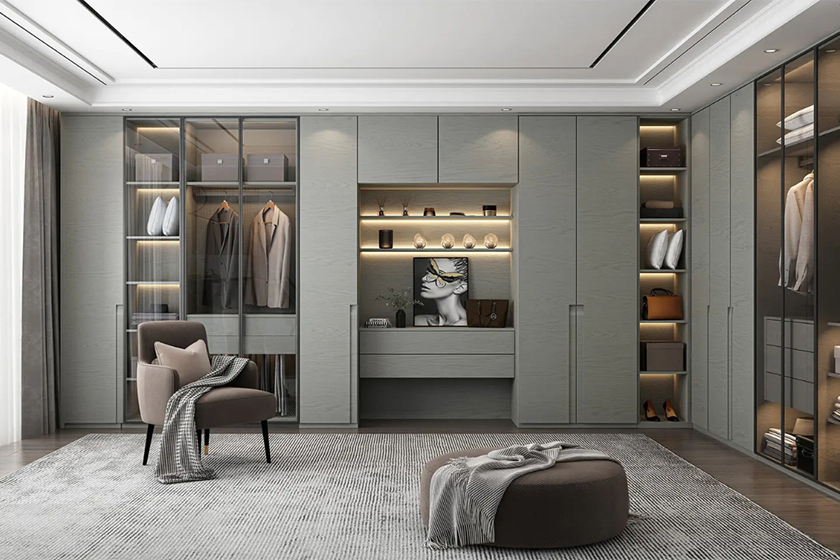
Natural wood tones bring warmth and organic charm to interiors. They create a cozy, inviting atmosphere while maintaining a timeless appeal. These trims work beautifully in modern homes aiming for a Scandinavian, rustic, or luxurious look. Plus, wood’s texture adds depth and character that painted trims can't match.
Unstained oak trim showcases the wood’s natural grain and light color. It fits perfectly with Scandinavian design, which values simplicity, functionality, and natural materials. The pale oak brightens spaces and pairs well with white or neutral walls for a fresh, airy vibe. Its subtle texture adds interest without overpowering the room.
Whitewashed pine trim offers rustic charm with a soft, weathered look. The whitewash lets the wood grain peek through, blending farmhouse coziness with modern refinement. This style complements spaces that balance casual warmth and clean design. It works great in kitchens, living rooms, or bedrooms aiming for a relaxed yet polished feel.
Walnut-stained trim creates a rich, dark contrast against lighter walls. This option adds sophistication and depth, ideal for rooms wanting a touch of elegance. The deep brown tones highlight the wood grain, making the trim a statement feature. Walnut pairs well with creamy whites, greys, or even deep blues for a luxe modern look.
Using reclaimed wood for trim combines sustainability with unique character. Each piece carries a story through its weathered texture and patina. Reclaimed wood frames add warmth and authenticity while supporting eco-friendly design. This choice suits rustic, industrial, or eclectic interiors where individuality and environmental care matter.
When selecting natural wood trims, consider the room’s lighting and existing wood tones to ensure harmony and avoid clashing finishes.
Adding color to interior trim opens up many design possibilities. Painted trim can blend in or stand out, creating different moods and enhancing your home's style. Whether you want a seamless look or a splash of sophistication, painted trims offer versatile options for every room.
Painting trim the same color as the walls creates a smooth, unified look. This approach makes rooms feel larger and less busy since the trim doesn't interrupt the wall's flow. It works great in small spaces or minimalist designs where simplicity is key. For example, a soft beige wall paired with the same shade on the trim keeps everything calm and cohesive.
Grey and greige (grey-beige) trims add subtle contrast without overpowering. These muted tones work well in modern or transitional interiors, providing definition while maintaining a neutral color story. They complement a wide range of wall colors, from crisp whites to soft pastels. For instance, a light greige trim around white walls adds warmth and depth without stark contrast.
Deep navy trim introduces elegance and richness without the harshness of black. It’s perfect for spaces like bedrooms or home offices where you want a refined, calming atmosphere. Navy pairs beautifully with light-colored walls, brass hardware, or natural wood accents. Imagine a navy window frame that draws the eye subtly, adding character and depth.
Soft pastels like sage green, dusty pink, or pale blue bring gentle color to kids’ rooms. These shades add personality and charm while keeping the look modern and fresh. Using muted pastels on trim avoids the overly bright or childish feel, making the space inviting yet stylish. A dusty pink trim, for example, can complement neutral walls and playful decor effortlessly.
When painting trim, use semi-gloss or satin finishes for durability and easy cleaning, especially in high-traffic areas like kids’ rooms or hallways.
Interior trim can do more than just frame windows and doors—it can create layers and depth that add architectural interest. Frame-within-a-frame trim styles bring a sophisticated, custom look by layering or recessing trim elements. These designs play with shadow and dimension, turning simple openings into striking focal points.
The boxed trim style uses deep-set boards around windows or doors, creating a pronounced shadow line. This shadow adds depth and visual weight, making the trim feel substantial without being ornate. The effect is modern yet architectural, perfect for minimalist or industrial interiors. It highlights the window as a design feature and can make a room feel more structured.
Recessed trim involves setting the trim back into the wall surface, often paired with inset paneling or decorative elements inside the frame. This approach adds texture and complexity, ideal for formal rooms like dining areas or home offices. The inset panels can be painted or stained for contrast, creating a layered effect that feels handcrafted and elegant.
Stacking different trim profiles creates a layered, dimensional appearance. Combining thick baseboards with thinner top moldings or adding decorative corner blocks can elevate the design. This method allows for customization by mixing shapes and sizes to match your style. It can range from subtle layering for a clean look to more elaborate profiles for traditional or transitional interiors.
Instead of surrounding the entire window or door with trim, this technique uses a large, prominent top casing only. It acts like a modern crown molding, drawing attention upward and adding a bold architectural statement. The oversized header contrasts with simple or no side and bottom trim, making it a fresh alternative to traditional casing. It works well in contemporary spaces that want a nod to classic details without excess ornamentation.
When using frame-within-a-frame trim, ensure precise measurements and clean joints to maintain crisp shadow lines and a polished finish.
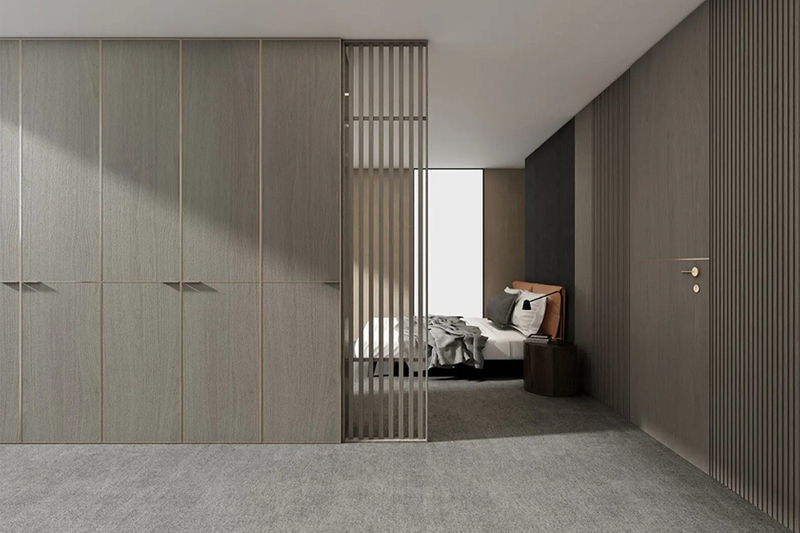
Mixing materials in interior trim creates dynamic, eye-catching designs that break away from traditional looks. Combining textures and finishes adds depth and personality to your space. This approach works especially well in modern, industrial, and eclectic interiors where contrast and craftsmanship shine.
Pairing warm wood trim against cool concrete walls balances softness and rawness. The natural grain and warmth of wood soften concrete’s hard, cold feel. This combo is popular in lofts and urban homes, where exposed concrete walls create an industrial vibe. Wood frames around windows or doors add a welcoming touch, preventing the space from feeling too stark or sterile.
Metal trim, like brushed aluminum or matte black steel, contrasts beautifully with wooden casings. The metal’s sleek, reflective surface adds an industrial edge, while wood brings warmth and texture. This mix suits modern kitchens, bathrooms, or office spaces. For example, metal window trim paired with wooden door casings creates a layered, sophisticated look that feels both sturdy and stylish.
Incorporating glass panels within trim designs introduces light play and transparency. Glass insets can be frosted, clear, or textured, adding subtle sparkle or softness. This technique works well in contemporary interiors aiming for airy, open feels. Around windows or built-ins, glass trim brings a refined, artistic element that catches and reflects natural light, enhancing the room’s brightness.
Concrete trim embraces the industrial aesthetic fully. Using concrete around windows or doors creates bold, durable frames that highlight architectural features. This raw material pairs well with minimalist decor and exposed structural elements. Concrete trim can be left natural or sealed for smoothness, adding a tactile, modern edge to loft-style homes or commercial spaces.
When combining materials in trim, consider their maintenance needs and how they age together to ensure lasting beauty and functionality.
Interior trim styles significantly influence home aesthetics, offering sleek simplicity, bold accents, natural warmth, painted perfection, and mixed material magic. Choosing the right trim aligns with your design vision, enhancing architectural clarity and adding personality. Experimenting with these ideas can transform spaces into modern masterpieces or cozy retreats. Nanjing Silaiwei Home Co., Ltd. offers innovative trim solutions, ensuring quality and style that elevate your home’s interior. Their products provide unique benefits, enhancing both functionality and beauty.
A: Wooden furniture paired with natural wood tones in trim adds warmth and organic charm to interiors, creating a cozy atmosphere. The texture of wood enhances depth and character, complementing styles like Scandinavian or rustic, and maintaining timeless appeal.
A: Black trim offers a bold, dramatic contrast, ideal for contemporary or industrial interiors, while wooden furniture provides warmth and a natural feel. Both styles can enhance architectural details but cater to different aesthetic preferences.
A: Sleek and simple trim styles deliver clean lines and understated elegance, emphasizing subtlety and function. They blend seamlessly with modern design, allowing wooden furniture and other elements to shine without distraction.
A: The cost of mixed materials for trim varies based on the materials chosen, such as wood, metal, or concrete. Mixing textures can enhance design but may increase expenses compared to traditional wooden furniture and trim options.
A: To troubleshoot imperfections in sleek trim designs, ensure wall and trim finishes are smooth and flawless. Simple designs highlight flaws, so proper preparation and careful installation are crucial for achieving a polished look.


