Premium Lacquer-Finished Doors for Modern & Elegant Interiors
Lacquer-finished doors are a signature element in high-end interior design. Known for their smooth, high-gloss or satin surfaces, these doors deliver a refined visual effect that surpasses traditional painted finishes. Through advanced multi-layer coating and professional polishing techniques, lacquered wooden doors bring sophistication, durability, and long-lasting color depth to any interior space.
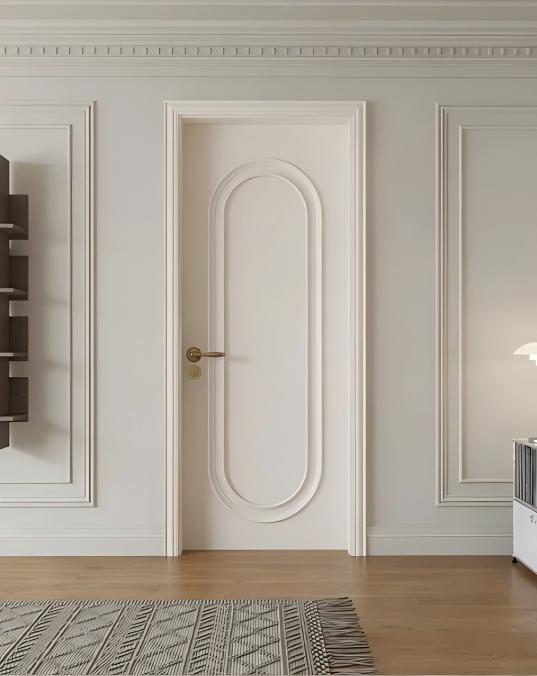
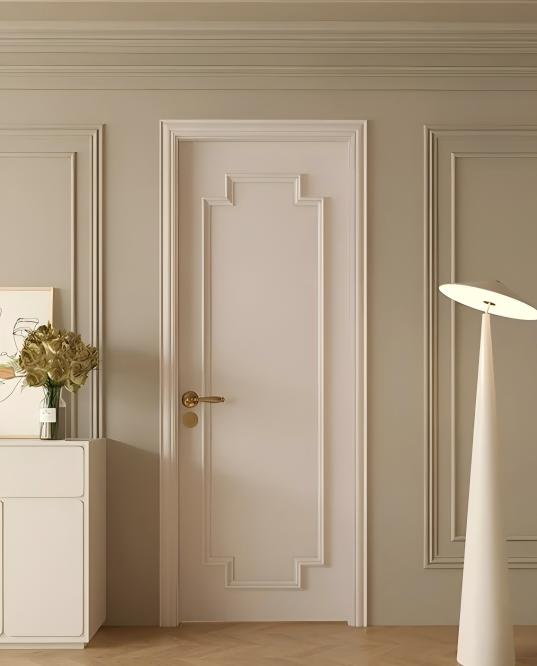
Our lacquer door collection highlights premium craftsmanship, French-style detailing, and contemporary lines made for luxury homes, apartments, hotels, and refined commercial spaces.
Featured Lacquer-Finished Door Models
Below are our two featured lacquered door models with French-style decorative lines.
⭐ Product Comparison Table
What Is a Lacquer-Finished Door?
A lacquer-finished door is a wooden interior door coated with multiple layers of lacquer to achieve a smooth, polished, highly durable surface. Unlike regular paint, lacquer forms a hard protective shell that resists moisture, scratches, and daily wear.
Modern lacquered doors are valued for:
Lacquer Coating Technology & Multi-Layer Finishing Process
High-end lacquer doors follow a detailed, multi-phase finishing procedure to ensure superior appearance and structural integrity. Below is the industry-standard process used by top global manufacturers and our production line.
⭐ Lacquer Door Production Process
| Step | Process Name | Description |
| 1 | Surface Preparation | Sanding & priming to create a flawless base |
| 2 | Base Lacquer Coating | First layers applied for adhesion and uniform color |
| 3 | High-Temperature Baking | Improves hardness, durability, and color stability |
| 4 | Fine Sanding | Ensures ultra-smooth texture |
| 5 | Additional Lacquer Layers | Builds depth, gloss, and color richness |
| 6 | UV Curing (Optional) | Enhances scratch resistance & prevents yellowing |
| 7 | Final Polishing | Mirror-like reflection or soft-matte finish |
This process creates a finish far superior to standard paint, achieving deeper color, longer durability, and a smoother surface.
Door Structure & Material Composition
A lacquer finish only performs well when paired with a strong and stable core structure. Our lacquer-finished doors use high-quality engineered materials designed to resist warping and maintain shape over time.
⭐ Door Core Structure Overview
| Core Type | Description | Benefits |
| Solid Wood Core | Natural wood interior with lacquer finish | Premium feel, strong durability |
| Engineered MDF Core | High-density fiberboard | Stable, smooth, ideal for lacquer coatings |
| Composite Honeycomb Core | Lightweight internal honeycomb grid | Cost-effective, lightweight, stable |
| Solid Composite Core | Multi-layer engineered board structure | High stability & strong sound insulation |
Available Colors & Finish Options
Modern lacquered doors offer a wide spectrum of color and texture selections. Inspired by Italian and French interior style, customers can choose:
High-gloss lacquer
Soft matte lacquer
Satin-touch lacquer
Customized RAL/NCS color options
Classic neutral tones: white, cream, beige, dove grey
Luxury tones: charcoal, deep brown, midnight blue
Adding a color palette to the webpage will boost user engagement & conversions.
Design Styles of Lacquer-Finished Doors
Our lacquer collection covers a range of popular design categories commonly featured by top European brands:
• French-Style Lacquered Doors
Elegant panel lines, ornate details, and refined European contours.
• Modern Flat-Panel Doors
Minimalist surfaces with smooth, seamless appearance.
• Grooved & Line-Carved Doors
Subtle geometric patterns for modern architectural aesthetics.
• High-Gloss Contemporary Doors
Mirror-like surfaces that elevate luxury interiors.
• Matte Lacquer Doors
A soft, refined, modern finish.
Performance Features of Lacquered Doors
Our lacquered wooden doors are engineered for durability and aesthetics.
⭐ Performance Comparison Table
| Feature | Lacquer-Finished Door | Painted Door | Veneered Door |
| Surface Smoothness | ★★★★★ | ★★★ | ★★★★ |
| Scratch Resistance | High | Medium | Medium |
| Moisture Resistance | High | Low–Medium | Medium |
| Color Stability | Excellent | May fade | Good |
| Gloss / Visual Depth | Outstanding | Moderate | Natural wood look |
| Best For | Luxury & modern interiors | Budget projects | Natural appearance seekers |
Opening Systems & Installation Types
We provide versatile opening systems compatible with lacquer doors:
Including these options on your page helps match user search intent & supports long-tail traffic gain.
Application Scenarios for Lacquer Doors
Lacquer-finished doors are widely used in:
Luxury homes & apartments
Living rooms & hallways
Bedrooms & studies
Boutique hotels
Office and executive rooms
Modern interior partition spaces
Why Choose a Lacquer-Finished Door?
Lacquer offers strong advantages in both durability and appearance:
Care & Maintenance Guide
To keep lacquered doors looking new:
Clean with soft cloths and non-abrasive cleaners
Avoid scratching with sharp objects
Maintain indoor humidity levels
Avoid prolonged exposure to direct sunlight
Wipe fingerprints with mild detergent
Frequently Asked Questions
Are lacquer-finished doors durable?
Yes, they resist scratches, moisture, and fading much better than painted doors.
Do lacquer doors crack or peel?
High-quality lacquer doors do not peel; they remain stable when humidity levels are controlled.
Are lacquer doors suitable for luxury homes?
Absolutely—they are widely used in high-end European interiors.
Can I customize the door color?
Yes, custom RAL/NCS colors are available for tailored interior design projects.
What is a lacquered door
A lacquered door is a wooden interior door finished with several layers of lacquer coating. The lacquer is applied in thin coats and then cured—often through high-temperature baking—to create a smooth, glossy, and durable surface. Compared to regular painted doors, lacquered doors offer superior shine, color depth, scratch resistance, and long-term stability.
What is a lacquer finish
A lacquer finish is a multi-layer coating made from resin-based materials that dry into a hard, protective, and visually smooth film. It can be high-gloss, satin, or matte. Lacquer is prized for its clarity, fast drying time, and ability to create a mirror-like surface when polished.
What are the disadvantages of lacquer
While lacquer offers a premium finish, it has a few limitations:
Can be scratched by very sharp objects
Requires a controlled environment during application
Sensitive to harsh chemical cleaners
Cheaper lacquer formulas may yellow over time if not UV-protected
High-quality lacquer finishes avoid most of these issues.
What is the best finish for doors
For interior wooden doors, lacquer is considered one of the best finishes due to its smooth appearance, durability, and resistance to everyday wear. Satin or semi-gloss lacquer finishes are widely recommended or modern interiors.
What is the best finish for a wood door
The best finish for an interior wood door is lacquer, as it forms a hard protective layer that enhances durability while delivering a premium aesthetic. For exterior doors, polyurethane or marine varnish is usually preferred due to weather resistance.
How long does a lacquer finish last
A high-quality lacquer finish can last 10–15 years or more with proper care. Its longevity depends on:
UV exposure
Humidity levels
Quality of lacquer used
Cleaning habits
Indoor lacquered doors generally remain glossy and stable for many years.
Is lacquer a good finish for wood
Yes. Lacquer is one of the best finishes for wood because it:
Creates a hard protective surface
Resists moisture and fingerprints
Enhances wood color and grain clarity
Provides a smooth, elegant look
Is easier to maintain compared with painted surfaces
What's better, polyurethane or lacquer
Lacquer is better for interior furniture and doors due to its smooth finish, ease of repair, and aesthetic appeal.
Polyurethane is better for high-moisture or exterior applications due to superior water resistance.
Summary:
Does lacquer scratch easily?
Lacquer does not scratch easily under normal use, but it is less scratch-resistant than polyurethane. High-gloss lacquer shows scratches more visibly, while satin or matte lacquer hides them better.
What is the hardest clear finish for wood
Polyurethane—especially oil-based polyurethane—is considered the hardest clear finish. However, lacquer comes close while offering a smoother, more refined appearance.
How to tell if a finish is lacquer or polyurethane
You can identify the finish by:
Feel: Lacquer feels smoother and thinner; polyurethane feels thicker.
Solvent Test: Lacquer softens quickly with lacquer thinner; polyurethane does not.
Appearance: Lacquer has a clearer, glass-like finish; polyurethane tends to look thicker and slightly plastic-like.
Can I put polyurethane over lacquer
Technically yes, but only after proper surface preparation:
Lightly sand the lacquer surface
Clean thoroughly
Use a bonding primer (optional but recommended)
Direct application without prep may lead to peeling.
Is gloss or satin better for doors
Both are suitable depending on style:
Gloss lacquer → Modern, luxurious, dramatic shine
Satin lacquer → Softer, elegant, less reflective, hides fingerprints
Satin is increasingly popular for 2024–2025 interior design trends.
What finish is good for interior doors
For interior doors, the best finishes include:
Lacquer (gloss or satin) – premium, durable, smooth
High-quality acrylic paints – cost-effective but less durable
Water-based lacquer – low-VOC, environmentally friendly
Among these, lacquer offers the most luxurious appearance.
Should interior doors be matte or glossy
It depends on the design:
Matte: Minimalist, modern, hides imperfections
Gloss: High-end, reflective, dramatic, elegant
Satin: The most versatile option, balancing shine and practicality
For lacquered doors, satin or high-gloss are most common.
What type of paint should you use on internal doors
For painted (non-lacquer) doors, the best options are:
However, for a premium high-end finish, lacquer is superior to any paint.